Lawn grub damage often starts underground long before homeowners notice anything wrong with their grass. These pests feed on turf roots, slowly weakening the lawn and causing brown patches to appear. Understanding the early signs of grub damage can help stop the problem before it spreads across the entire yard, and professional lawn care services for your property can help keep it free of grubs.
What Are Lawn Grubs?
Lawn grubs are the larvae of several beetle species that live in the soil and feed on grass roots. These small white worms curl into a “C” shape and stay just below the soil surface while they grow. As they feed, they cause lawn grub damage, preventing grass from absorbing water and nutrients.
Common beetles that produce lawn grubs include:
- Japanese beetles
- June beetles
- European chafers
- Masked chafers
While adult beetles rarely damage turf, their larvae can destroy large sections of grass by feeding on the root system.
Why Lawn Grub Damage Spreads Quickly
Lawn grub damage occurs when the larvae feed on the roots that hold grass in place. Without healthy roots, the lawn cannot absorb the moisture and nutrients it needs to survive. This leads to weak turf that dries out and dies even with regular watering. When grubs feed in large numbers, several problems may appear:
- Grass that pulls up easily from the soil
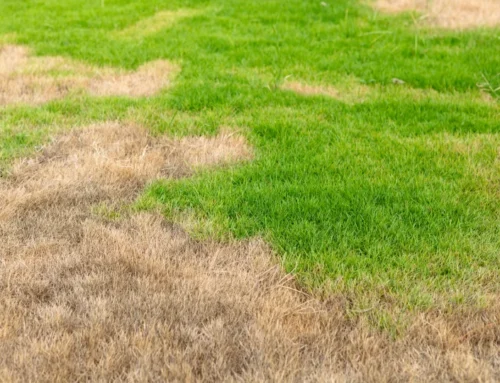
- Brown patches that spread across the yard
- Turf that feels loose or spongy when walked on
- Areas of grass that suddenly die
Because the damage happens underground, many homeowners do not realize what is happening until the lawn begins to decline.
Grub Damage Lawn Signs Most Homeowners Miss
Grub infestations usually develop quietly beneath the surface. Many early symptoms resemble drought stress or poor soil conditions. Learning the common signs of grub damage helps homeowners identify the issue before it becomes severe.
Grass That Feels Spongy When You Walk on It
One of the first signs of lawn grub damage is turf that feels soft or spongy underfoot. As grubs eat the roots, the grass begins separating from the soil. If you pull gently on the turf and it lifts easily, this may indicate grub activity.
Irregular Brown or Yellow Patches
Brown or yellow areas that appear randomly across the lawn often indicate root damage. These patches may initially look like drought stress. However, the grass continues to decline even after watering.
Birds and Animals Digging in the Yard
Wildlife activity can also signal a grub problem. Birds and animals often dig into lawns to feed on grubs hidden in the soil.
Animals that commonly search for grubs include:
- Birds
- Skunks
- Raccoons
- Moles
Their digging can create additional lawn damage while they search for the pests.
Grass That Dies Quickly in Late Summer
Grubs grow larger and feed more aggressively in late summer. During this time, sections of turf may suddenly turn brown or die. These areas often expand quickly if the infestation continues.
Dead Turf That Peels Back Easily
Severe grub infestations can destroy the entire root system. When this happens, the grass may roll back like loose carpet. Lifting the turf often reveals several white grubs just beneath the soil surface.
How to Tell If Lawn Has Grubs
If you suspect grub activity, a simple inspection can confirm the problem. Checking beneath the turf is the easiest way to learn how to tell if the lawn has grubs. This process takes only a few minutes and can reveal whether treatment is needed.
Follow these steps to check your lawn:
- Cut a square section of turf about one foot wide.
- Lift the grass and inspect the soil underneath.
- Look for white C-shaped grubs within the top few inches of soil.
Finding several grubs in a small area usually indicates an active infestation.
Professional Grub Control in Indiana
Grub infestations can spread quickly and damage large areas of turf if they are not treated early. Professional grub control in Indiana helps identify infestations and apply treatments at the right time in the grub life cycle. This approach helps reduce pest populations and protect the lawn from further damage.
Professional lawn care programs may include:
- Lawn inspections to detect early grub activity
- Targeted grub control treatments
- Lawn fertilization to support healthy turf growth
- Seasonal lawn care that strengthens grass roots
These treatments help stop lawn grub damage while helping the turf recover more effectively.
Protect Your Lawn from Grub Damage
If you notice grub damage, lawn signs, or suspect your yard has an infestation, professional treatment can help stop the problem before it spreads. Grow Pros Lawn Care provides expert lawn care services and grub control in Indiana to protect lawns from pests and turf damage. Contact us today to schedule lawn care services and keep your lawn healthy, green, and strong throughout the growing season.