Table of Contents
Bare spots in your lawn usually appear when grass struggles to grow due to compacted soil, pet waste, disease, poor mowing habits, or lack of water. These issues weaken the grass and leave patches where soil becomes visible. The fastest way to fix them is to repair the soil, reseed the area, and follow proper lawn care practices so new grass can establish quickly.
Common Patchy Lawn Causes
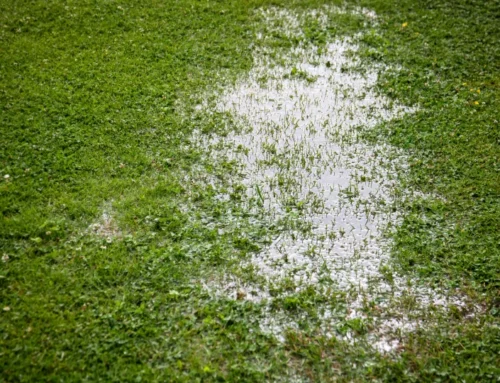
Bare areas rarely happen without a reason. In most cases, something in the environment or maintenance routine prevents healthy grass growth. Identifying the problem early helps you correct it and stop the damage from spreading across the lawn.
Some of the most common patchy lawn causes include:
- Pet waste damage where high nitrogen levels burn grass and leave yellow or brown spots
- Compacted soil caused by heavy foot traffic that blocks air, water, and nutrients
- Fungal diseases that kill grass roots and create circular dead patches
- Improper mowing habits, such as cutting grass too short or using dull mower blades
- Environmental stress like drought, excessive shade, or buried rocks in the soil
Once you understand the cause, you can choose the right repair method and help the lawn recover faster.
The Fastest Way to Repair Lawn Bare Spots
Repairing damaged patches quickly requires a few simple steps that help new grass grow strong. The process focuses on improving the soil and giving seed the right conditions to establish. Follow these steps for effective lawn bare spots repair:
- Remove dead material: Rake away dead grass, debris, and thatch so the soil surface is visible.
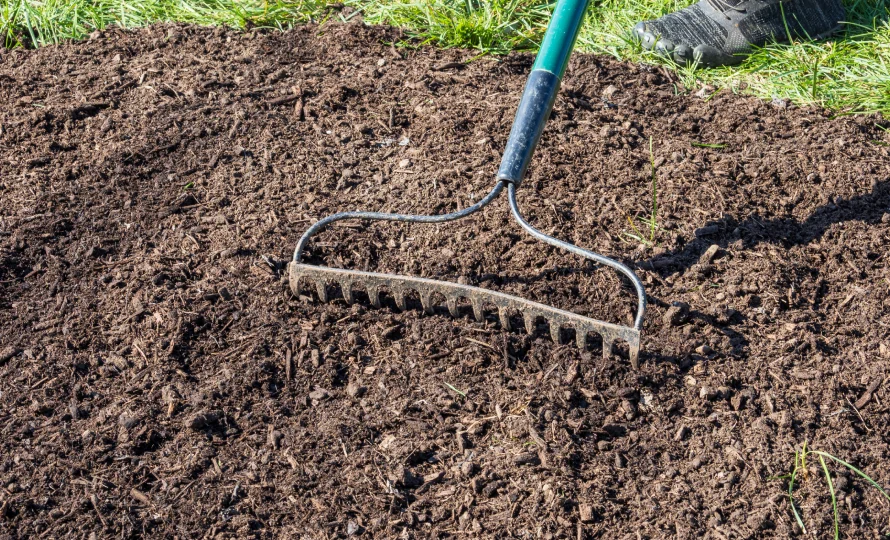
- Loosen the soil: Use a rake or small cultivator to loosen the top two to three inches of soil.
- Improve the soil quality: Mix in compost or quality topsoil to add nutrients and improve drainage.
- Apply grass seed: Spread high quality grass seed suited for your region.
- Cover and water: Add a light layer of straw or peat moss, then water lightly once or twice daily for about two weeks.
This method helps grass seed germinate faster and fill in damaged areas more effectively.
Overseeding Bare Spots for Long Term Results
Overseeding is one of the most reliable ways to restore thin or damaged areas. This technique adds new seed directly into existing grass, which helps the lawn grow thicker and healthier over time. When overseeding bare spots, several factors improve success:
- Choose grass seed suited for your local climate
- Water frequently during the first two weeks after seeding
- Avoid heavy foot traffic while new grass develops
- Apply starter fertilizer to support early growth
- Keep mowing height slightly higher during recovery
With proper care, overseeding helps damaged areas blend naturally with the rest of the lawn.
Maintenance Habits That Prevent Bare Spots
Once the lawn recovers, consistent maintenance prevents the same problems from returning. Healthy grass grows thick and resists stress, disease, and soil issues. Simple lawn care habits that help prevent patchy areas include:
- Mowing at the correct height and avoiding cutting too short
- Watering deeply but less frequently to promote deeper roots
- Aerating compacted soil when needed
- Applying fertilizer to maintain healthy growth
- Controlling weeds before they take over thin areas
Professional Lawn Fertilization and Weed Control Makes a Difference
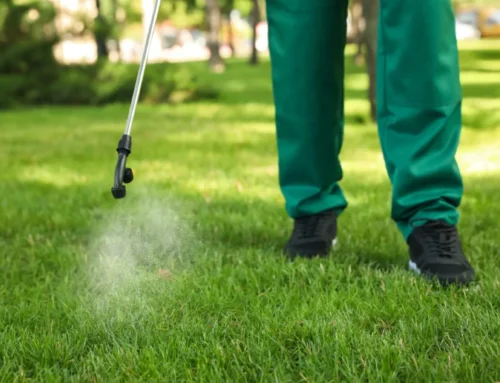
Fixing bare spots becomes easier when the lawn receives proper nutrients and weed management throughout the season. Healthy soil and balanced nutrients support thick grass growth that fills in thin areas naturally. Professional care also helps prevent weeds from invading damaged sections.
Grow Pros Lawn Care provides lawn fertilization and weed control services designed to strengthen grass, improve soil conditions, and promote consistent growth. Their treatment plans focus on building healthier lawns that resist disease, weeds, and stress. With the right fertilization program, lawns develop stronger roots and recover faster from patchy areas.
Restore Your Lawn and Eliminate Bare Spots with Professional Help
Bare spots in your lawn often come from soil stress, poor nutrients, or compacted ground that prevents healthy growth. Repairing them with proper soil preparation, overseeding, and consistent watering helps new grass fill in faster and grow stronger. If your lawn has thinning or patchy areas, contact our expert team for professional lawn fertilization and weed control services to restore a thick, healthy lawn.