Table of Contents
- Nitrogen Loss After Heavy Spring Rain
- Waterlogged Soil Can Suffocate Grass Roots
- Lingering Winter Dormancy and Cold Stress
- Thatch Buildup and Soil Compaction
- Lawn Diseases and Hidden Pest Damage
- Quick Ways to Fix a Yellow Lawn in Spring
- A Trusted Solution for Lawn Fertilization and Weed Control
- Restore Your Lawn’s Healthy Green Color This Spring
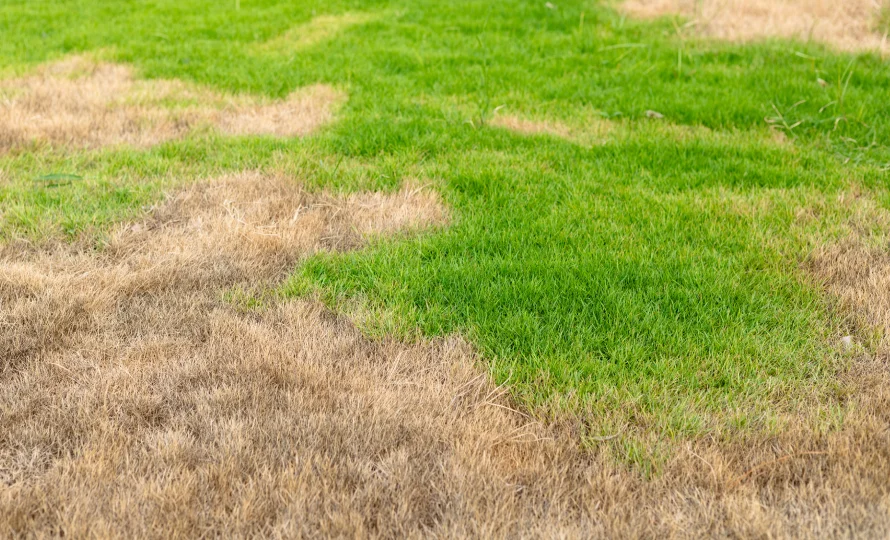
If your lawn starts turning yellow in early spring, you are not alone. Many homeowners notice patches of pale or yellow grass right as the weather begins to warm up. The good news is that most causes are easy to fix once you understand what is happening.
Yellow grass in spring usually comes from nutrient loss, wet soil, winter stress, or compacted ground that limits root growth. With the right lawn fertilization and weed control strategy, your lawn can recover quickly and return to a healthy green color.
Nitrogen Loss After Heavy Spring Rain
One of the most common reasons a lawn turns yellow in spring is nitrogen deficiency. During winter and early spring storms, heavy rainfall can wash nutrients out of the soil. When nitrogen levels drop, grass loses its rich green color. Nitrogen plays a key role in leaf growth and overall lawn health. Without it, grass struggles to grow and often appears thin or pale.
Common signs of nitrogen deficiency include:
- Light green or yellow grass across large areas
- Slow growth during early spring
- Thin or weak turf after winter
- Grass that does not respond well to watering
Applying a balanced fertilizer early in the season helps restore nutrients and encourages faster green growth.
Waterlogged Soil Can Suffocate Grass Roots
Excess moisture is another common reason for spring lawn discoloration. After snow melt and seasonal rain, soil can become saturated. When water fills the air spaces in the soil, roots cannot get the oxygen they need. This lack of oxygen stresses the grass and can cause yellow patches across the lawn.
Some signs of poor drainage include:
- Soft or soggy ground after rainfall
- Yellowing grass in low areas
- Slow lawn recovery after winter
- Standing water in certain sections of the yard
Improving drainage and aerating the soil helps restore airflow around the roots and supports healthier grass growth.
Lingering Winter Dormancy and Cold Stress
Many lawns remain partially dormant even after temperatures start to warm up. Cold nights and fluctuating spring weather can slow down the natural greening process. During dormancy, grass focuses on root survival instead of visible growth. This can leave the lawn looking yellow or dull for several weeks.
In most cases, the lawn will recover as temperatures stabilize and growth resumes. A light fertilizer application can help speed up the transition from winter dormancy to active growth.
Thatch Buildup and Soil Compaction
Thatch is a layer of dead grass and organic material that collects between the soil and the living turf. When this layer becomes too thick, it blocks nutrients, air, and water from reaching the soil. Soil compaction creates a similar problem. Heavy foot traffic and equipment can press soil particles together, limiting root development.
Common indicators of thatch or compacted soil include:
- Yellow or thin grass patches
- Water pooling on the surface
- Hard soil that is difficult to penetrate
- Weak root systems
Lawn Diseases and Hidden Pest Damage
In some cases, yellow grass may signal fungal disease or insect activity. Early spring conditions create the perfect environment for certain lawn diseases, especially when moisture remains on the grass for long periods. One example is Microdochium patch, a fungal disease that causes pale or yellow areas in turf.
Other possible causes include root feeding insects such as grubs. These pests damage grass from below the surface and weaken the lawn. Signs to watch for include:
- Circular patches of yellow or brown grass
- Grass that lifts easily from the soil
- Areas that continue to spread over time
- Thin turf despite watering and fertilizing
Identifying the exact cause early helps prevent the problem from spreading across the lawn.
Quick Ways to Fix a Yellow Lawn in Spring
The fastest way to restore a healthy green lawn is to address the underlying issue. A few simple lawn care steps can dramatically improve turf health within a few weeks. Effective spring lawn repair often includes:
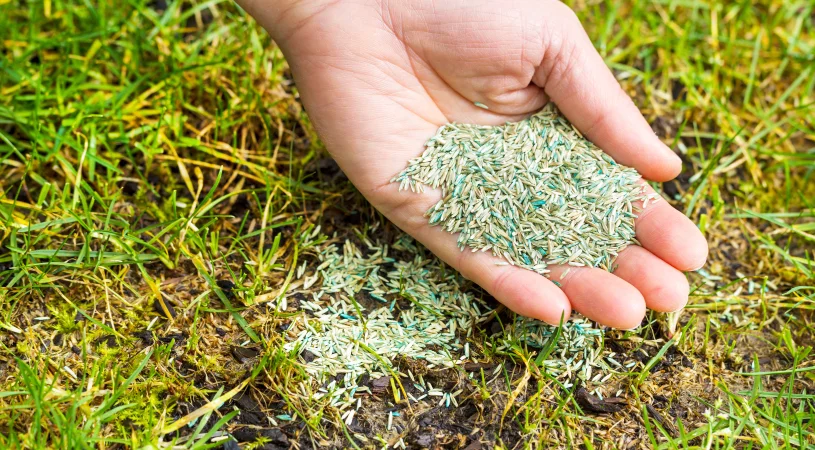
- Applying a nitrogen rich fertilizer
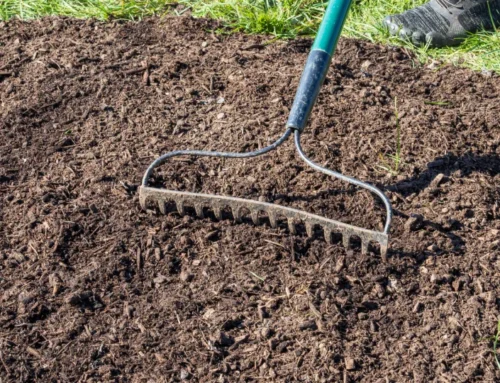
- Aerating compacted soil
- Improving drainage in wet areas
- Sharpening mower blades for clean cuts
- Removing excessive thatch buildup
These steps allow the grass to absorb nutrients more efficiently and grow stronger throughout the season.
A Trusted Solution for Lawn Fertilization and Weed Control
When yellow grass becomes a recurring issue each spring, professional lawn care can make a major difference. Many lawns struggle because nutrients, soil conditions, and weed pressure all interact at the same time.
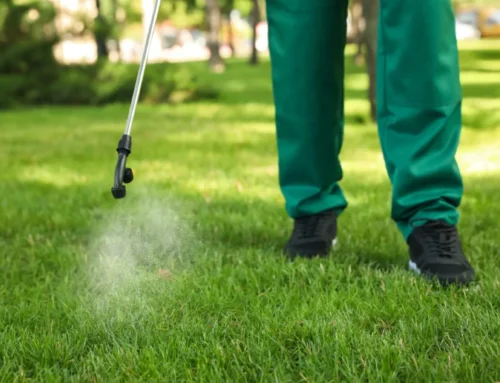
Grow Pros Lawn Care provides specialized lawn fertilization and weed control as spring lawn repair services in Indiana, designed to strengthen turf and support consistent lawn health. Their treatment programs deliver the nutrients grass needs while also controlling weeds that compete for soil resources.
Working with experienced lawn professionals helps homeowners identify soil issues early, improve turf density, and maintain a greener lawn throughout the growing season.
Restore Your Lawn’s Healthy Green Color This Spring
A lawn turning yellow in spring usually signals that the grass needs nutrients, better soil conditions, or seasonal recovery after winter. By addressing issues like nitrogen loss, soil compaction, and poor drainage early, homeowners can quickly bring their lawn back to life.
If your lawn continues to struggle each spring, professional lawn fertilization and weed control can provide the support it needs. The right care plan helps your grass recover faster, grow thicker, and stay green through the entire season. Contact us and let us help you the way your lawn deserves.