Table of Contents
- What Overseeding Actually Does for Your Lawn
- Why Fall Overseeding Delivers the Best Results
- Signs Your Lawn Needs Overseeding
- The Right Way to Overseed for Maximum Thickness
- Common Overseeding Mistakes That Lead to Poor Results
- Long-Term Results, Timing, and Why the Process Matters
- Get a Thicker Lawn This Fall
A thin lawn after summer is not just a visual issue; it shows your grass has lost density and strength. Overseeding in the fall is one of the most effective ways to rebuild that thickness without starting over. When done correctly, it helps your lawn grow fuller, more even, and better prepared for the next season.
Fall overseeding fills in weak areas and strengthens the overall turf. It improves how your lawn looks while also making it more durable and easier to maintain. With the right timing and process, you can turn a patchy lawn into a clean, consistent surface.
What Overseeding Actually Does for Your Lawn
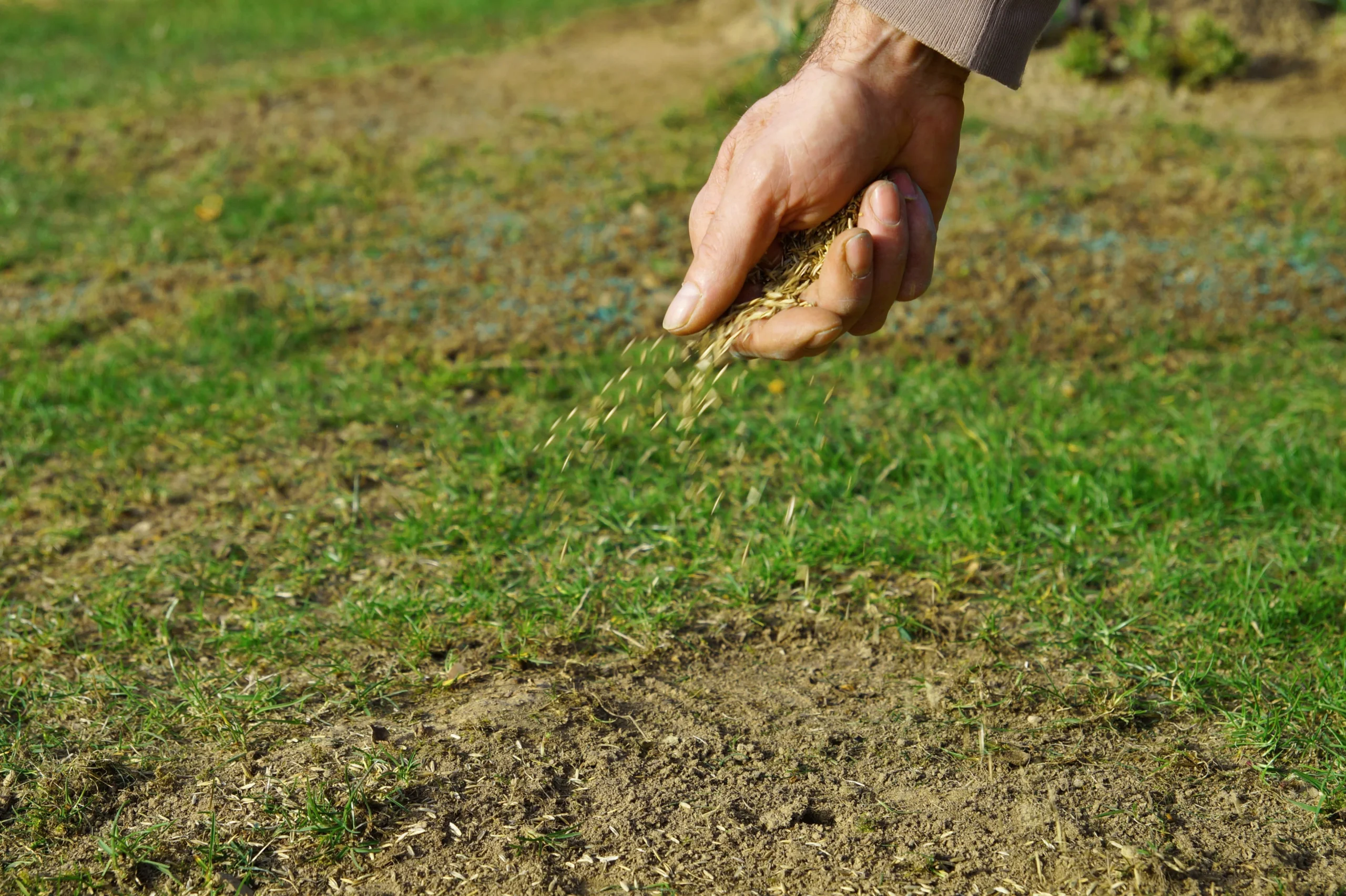
Overseeding adds new grass seed into your existing lawn to improve coverage and density. It fills in thin areas, blends new growth with your current turf, and creates a more uniform look across the property. As the lawn thickens, it becomes stronger and more resistant to wear, weeds, and changing conditions.
Why Fall Overseeding Delivers the Best Results
Fall creates the most reliable conditions for new grass to grow and establish properly. The soil stays warm enough for germination, while cooler air temperatures reduce stress on new seedlings. This allows grass to grow steadily without the setbacks that come with summer heat.
Another key advantage is reduced weed pressure during this time of year. With fewer competing plants, new grass can establish faster and spread more evenly. This leads to cleaner, thicker results that carry into the next growing season.
Signs Your Lawn Needs Overseeding
Many lawns begin to thin out after summer due to heat, foot traffic, and general wear and tear. These changes often appear slowly, but they lead to uneven growth and weaker turf over time. Addressing these issues early helps restore density before the lawn declines further.
- Thin or patchy grass across large areas
- Bare spots where soil is visible
- Uneven color or inconsistent growth
- Increased weed presence in open areas
- Grass that struggles to recover after stress
The Right Way to Overseed for Maximum Thickness
Overseeding is not just about spreading seed; it depends on proper preparation and follow-through. Each step in the process directly affects how well the new grass establishes and grows. Skipping steps or rushing the process often leads to weak or uneven results.
Lawn Preparation Comes First
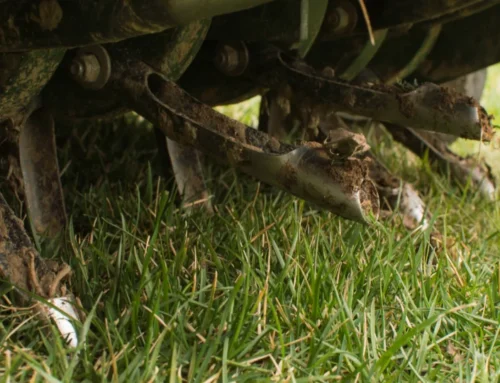
Start by mowing your lawn shorter than usual so the seed can reach the soil surface. Remove debris and clippings to improve seed-to-soil contact and create a clean base for growth. Loosening the soil through aeration or dethatching helps seeds settle in and develop properly. This step improves germination and allows roots to grow deeper and stronger.
Apply Seed With Even Coverage
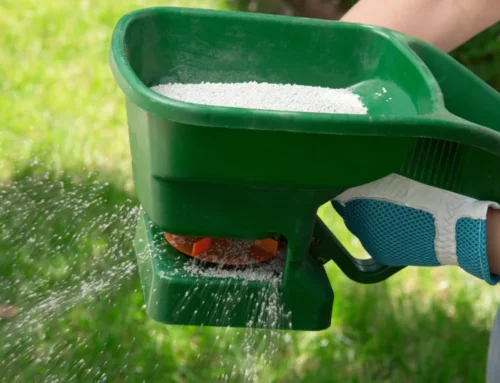
Use a spreader to distribute seed evenly across the lawn to avoid patchy results. Consistent coverage creates a balanced appearance and improves overall thickness. Focus extra attention on thin or bare areas to rebuild density where it is needed most. This targeted approach helps the lawn fill in more evenly over time.
Support Growth With Fertilization
Apply a starter fertilizer right after seeding to support early root development. New grass needs nutrients immediately to establish and compete with existing turf. This step improves growth speed and increases the success rate of overseeding. Without it, results may take longer and appear less consistent.
Water With Precision and Consistency
Water lightly and frequently to keep the soil moist during germination. Consistent moisture helps seeds sprout and begin establishing roots. As the grass grows, adjust watering to promote deeper root development. Proper watering is one of the biggest factors in achieving a thick, healthy lawn.
Common Overseeding Mistakes That Lead to Poor Results
Many overseeding projects fail due to simple mistakes that affect growth and consistency. These issues often arise from skipping preparation or failing to maintain proper care after seeding.
- Seeding without proper soil preparation
- Letting the soil dry out during germination
- Applying weed control too early
- Using the wrong type of grass seed
- Overseeding at the wrong time
Long-Term Results, Timing, and Why the Process Matters
Overseeding improves your lawn by upgrading the quality of your turf, not just increasing thickness. Newer grass varieties handle stress better and help your lawn grow more consistently across the property. This leads to a stronger, more reliable lawn over time.
A consistent schedule and proper timing keep these results in place. Most lawns benefit from overseeding every one to three years, and fall provides the best conditions for even growth. When combined with correct seed selection and application, this approach produces a fuller, more uniform lawn.
Get a Thicker Lawn This Fall
If your lawn is starting to thin out or lose its consistency, fall overseeding is the right step to bring it back. Acting at the right time allows new grass to establish properly and improve overall coverage. A thicker lawn starts with a clear plan and the right process.
Working with a professional team helps you get consistent results without the guesswork. From preparation to application, every step is handled with precision to improve growth and uniformity. Reach out today to get your lawn on track for a fuller, healthier season ahead.