A thick, even lawn in Indiana doesn’t happen from random treatments. It comes from a clear fertilization schedule that aligns with how cool-season grasses actually grow throughout the year. When timing and product selection work together, your lawn stays consistent, holds color longer, and requires less correction over time.
Instead of guessing when to apply fertilizer, the goal is to follow a structured plan that supports root strength, controls growth, and keeps your lawn performing through every season.
How Lawn Fertilization Actually Works in Indiana
Indiana lawns operate on a predictable cycle. Growth happens strongest in spring and fall, while summer slows everything down. That means fertilization is less about frequency and more about placing nutrients at the right moments.
When done correctly, each application builds on the last. You are not just feeding the lawn. You are guiding its growth, its thickness, and how well it handles stress.
A Step-by-Step Fertilization Plan That Builds Results
A strong lawn comes from following a schedule that aligns with how grass grows throughout the year. Each phase has a clear purpose, from early activation to long-term root development. When these steps are timed correctly, your lawn stays consistent, controlled, and easier to manage.
Early Spring: Start Clean, Not Heavy
Early spring is about setting the foundation for the rest of the season. Your lawn is coming out of dormancy and needs support without being pushed too fast. A controlled approach helps activate growth while keeping the structure stable.
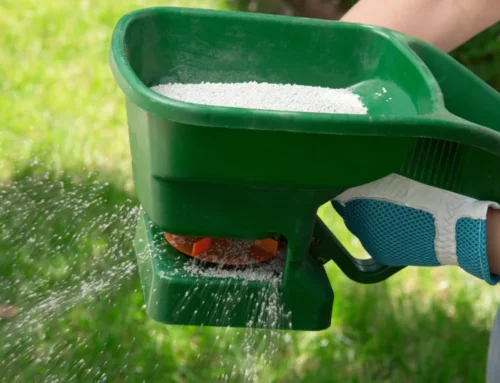
- Light feeding to wake up the lawn
- Focus on root activation, not top growth
- Often paired with weed prevention
This sets a controlled base rather than creating weak, rapid growth.
Late Spring: Build Thickness and Density
Late spring is when your lawn is ready to take on more nutrients and build strength. Growth is active, and this is the time to improve overall coverage and consistency. Proper feeding here leads to a fuller, more uniform lawn.
- Slow-release nutrients for steady growth
- Encourages fuller, more even coverage
- Helps crowd out early weed activity
This is where your lawn starts to look noticeably thicker.
Summer: Maintain, Not Force Growth
Summer conditions change how your lawn responds to fertilizer. Heat and stress slow growth, so overfeeding can do more harm than good. The focus shifts from growth to maintaining stability.
- Minimal fertilization
- Focus on stability, not growth
- Support the lawn through heat stress
The goal here is simple. Keep the lawn intact without pushing it beyond its limits.
Early Fall: Repair and Strengthen
Early fall is the most effective time to improve your lawn’s overall condition. Cooler temperatures and active growth create the right environment for recovery. This is when you correct damage and rebuild density.
- Rebuild density after summer stress
- Encourage deep, strong root systems
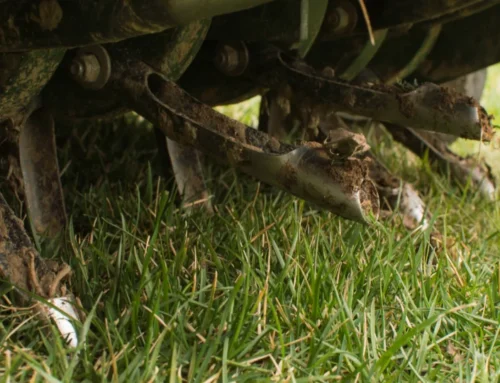
- Ideal time to combine with aeration and overseeding
Fall applications correct issues and reset the lawn’s structure.
Late Fall: Lock in Performance
Late fall prepares your lawn for long-term success. Growth above ground slows down, but roots continue to develop. This is the final step that sets up strong performance in the next season.
- Strengthens roots before winter
- Stores nutrients for early spring growth
- Improves overall consistency year to year
This step separates average lawns from lawns that come back strong every season.
What This Schedule Actually Improves
Following a structured fertilization plan leads to visible and lasting improvements. Instead of uneven growth and recurring issues, your lawn develops a more balanced and durable structure. Over time, this reduces the need for constant corrections.
- More even color across the entire property
- Thicker turf that naturally resists weeds
- Stronger root structure for better durability
- Less need for reactive treatments
Each step works together to reduce problems instead of constantly fixing them.
Where Most Lawn Fertilization Plans Go Wrong
Many lawn issues come from poor timing and inconsistent applications. Without a clear plan, treatments can work against each other instead of building results. Small mistakes throughout the season often lead to bigger problems later.
- Applying too much fertilizer in the spring
- Skipping fall treatments entirely
- Forcing growth during summer heat
- Using the same product year-round
These mistakes create uneven growth, weak roots, and ongoing maintenance issues.
Get Your Lawn on a Proven Fertilization Plan
If your lawn feels inconsistent, thin, or difficult to manage, the issue is usually not effort. It comes down to timing and having the right structure in place. A clear fertilization plan changes how your lawn performs and keeps it consistent throughout the year.
Let Grow Pros Lawn Care handle the schedule, treatments, and timing for you. Contact our team today to get started with a lawn fertilization program built for Indiana conditions and long-term results.