Table of Contents
- Your Program Starts With Your Lawn’s Needs
- What Does a Lawn Care Company Do?
- Lawn Treatments Change With the Season
- Fertilizer Is Only One Part of the Program
- Some Lawns Need More Than Routine Treatments
- Results Build Over Time
- Choosing the Right Lawn Treatment Plan in Northern Indiana
- Get a Lawn Treatment Plan Built for Your Property
A professional lawn treatment program in Indiana is designed to improve lawn health over time instead of providing a short-term cosmetic fix. It combines properly timed treatments that support stronger roots, fewer weeds, healthier color, and better resilience through Northern Indiana weather. For homeowners in Elkhart, South Bend, and nearby communities, a professional lawn care plan removes much of the guesswork.
Your Program Starts With Your Lawn’s Needs
No two lawns are in exactly the same condition, even when they are in the same neighborhood. Grass type, soil compaction, weed pressure, insect activity, shade, drainage, and past lawn care all affect what a property may need. A professional lawn service looks at these factors before recommending the right treatment plan.
During an evaluation, a lawn care company may look for:
- Thin or bare areas
- Broadleaf weeds or crabgrass
- Uneven color or weak growth
- Compacted soil
- Grub activity or insect damage
- Signs of lawn disease
- Areas affected by shade, drought, or heavy foot traffic
What Does a Lawn Care Company Do?
Many homeowners ask, “What does a lawn care company do besides fertilize?” Fertilizer is an important part of a healthy lawn, but a complete program focuses on several issues that can affect turf throughout the year. Treatments are scheduled around the growing season so your lawn receives the right support at the right time.
A professional lawn service in Elkhart may include:
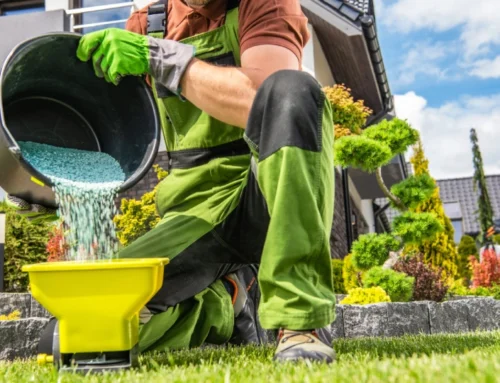
- Fertilization to support color, root growth, and overall turf health
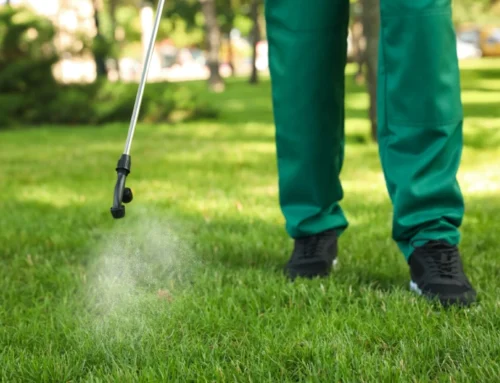
- Weed control to reduce weeds that compete with healthy grass
- Crabgrass prevention before annual weeds become established
- Grub control to help protect roots from insect damage
- Disease treatments when fungal activity affects the lawn
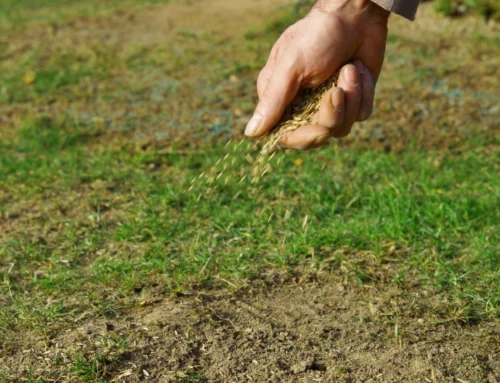
- Aeration and overseeding to improve density and relieve compaction
Lawn Treatments Change With the Season
A reliable lawn care program in South Bend should not use the same approach from spring through fall. Northern Indiana lawns deal with different challenges as temperatures, rainfall, and weed activity change. Each visit should be part of a larger seasonal strategy.
Spring Treatments Help Build a Strong Start
Spring is when lawns begin to recover from winter and enter their active growing season. Early treatments often focus on providing nutrients, preventing weeds, and stopping crabgrass before it has a chance to spread. This is also a good time to identify thin areas, winter stress, or early lawn problems that may need added attention.
Spring visits may focus on:
- Early-season fertilization
- Pre-emergent crabgrass prevention
- Broadleaf weed control
- Evaluating thin or damaged areas
- Planning any needed lawn repair services
Summer Treatments Help Manage Stress
Summer brings heat, dry periods, heavy foot traffic, and more active weed growth. A professional lawn treatment plan helps maintain lawn health while controlling weeds that can exploit stressed turf. Depending on your package and lawn condition, summer may also be when insect or disease concerns receive closer attention.
During summer, your lawn may need support for:
- Heat stress and uneven growth
- Active broadleaf weeds
- Grub activity
- Lawn disease concerns
- Thin turf caused by drought or traffic
- Maintaining healthy color without overfeeding the lawn
Fall Treatments Support Recovery
Fall is one of the most important seasons for cool-season lawns in Northern Indiana. Grass naturally allocates more energy to root development as temperatures cool. This makes fall a strong time to help lawns recover from summer stress and prepare for the next growing season.
Fall services may include:
- Fertilization for stronger root development
- Weed control for late-season weeds
- Lawn aeration and overseeding for thin or compacted lawns
- Soil improvement through core aeration
- Fall lawn recovery treatments
- Planning ahead for next season’s lawn care needs
Fertilizer Is Only One Part of the Program
A lawn can receive fertilizer and still struggle if weeds, insects, compaction, or disease are left untreated. That is why a professional treatment program focuses on several lawn health factors rather than relying on a single application. Consistent care gives desirable turf a better chance to become thicker and more competitive.
A complete program may help address:
- Weeds taking over open lawn areas
- Weak root systems
- Crabgrass and other annual weeds
- Grub damage below the soil surface
- Thinning caused by compacted soil
- Seasonal discoloration or disease pressure
Professional fertilization and weed control work together because healthy grass needs nutrients while weeds need to be controlled before they spread. When turf has better access to sunlight, water, nutrients, and space, it has a stronger chance of filling in naturally. That is one reason lawn care programs are more effective when treatments are performed consistently throughout the season.
Some Lawns Need More Than Routine Treatments
A lawn treatment plan gives your property a strong foundation, but not every concern can be solved through standard applications alone. Bare spots, severe compaction, recurring disease, and insect damage may require additional services. A lawn care professional can help identify when a targeted treatment would be more effective.
Additional services may include:
- Grub control for lawns at risk of root damage
- Core aeration to reduce soil compaction
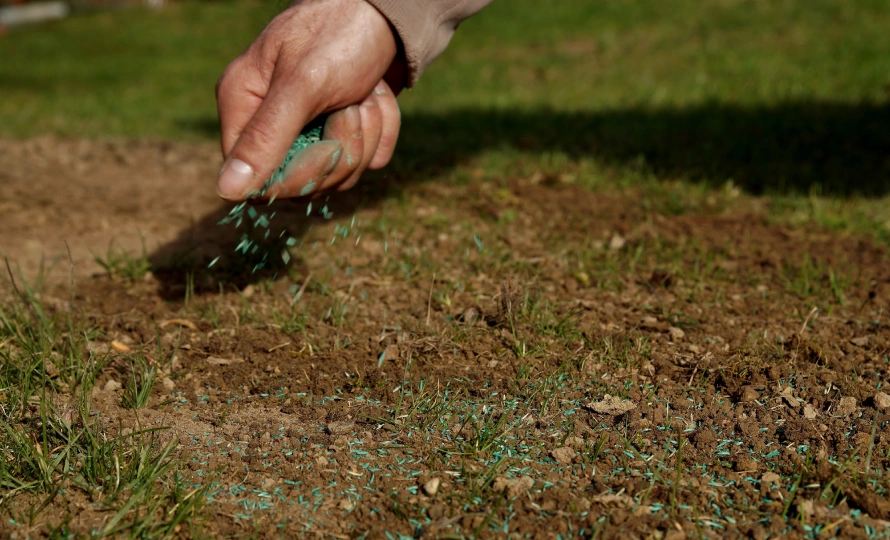
- Overseeding to improve grass density
- Lawn disease treatments for recurring fungal issues
- Lawn repair for bare, thin, or damaged sections
- Recommendations for watering or mowing adjustments
Results Build Over Time
Professional lawn care is not usually an overnight transformation. Some improvements, such as reduced weed activity or improved color, may become noticeable relatively quickly. Stronger roots, denser turf, and better long-term weed resistance often develop through consistent seasonal care.
Homeowners generally see better results when they:
- Stay on schedule with their lawn treatment plan
- Follow watering instructions after treatments
- Avoid mowing too short
- Keep mower blades sharp
- Report new lawn concerns early
- Limit heavy traffic on newly seeded areas
- Give overseeded areas time to establish
Choosing the Right Lawn Treatment Plan in Northern Indiana
The best treatment plan depends on your lawn’s current condition and the results you want to achieve. Some lawns need a dependable foundation of fertilization, weed control, crabgrass prevention, and seasonal protection. Others may benefit from more comprehensive support, including aeration, disease treatments, or targeted recovery services.
Grow Pros Lawn Care offers several lawn care packages designed to fit different lawn needs and goals. We can evaluate your property, explain what your lawn may need, and recommend a plan to support healthier turf throughout the season.
Get a Lawn Treatment Plan Built for Your Property
A better lawn starts with consistent care, proper timing, and treatments that match your turf’s condition. Grow Pros Lawn Care provides professional lawn treatment programs for homeowners throughout Elkhart, South Bend, and surrounding Northern Indiana communities. Contact us today to request a consultation and find the right plan for a healthier, thicker lawn.