Table of Contents
Finding the best grass seed for Northern Indiana lawns is important when your yard is thin, patchy, or struggling to recover after summer. Northern Indiana lawns need cool-season grass that can establish during fall weather, handle changing temperatures, and develop strong roots before winter arrives. For many lawns around Elkhart, South Bend, and Michiana, turf-type tall fescue is a reliable choice for professional overseeding.
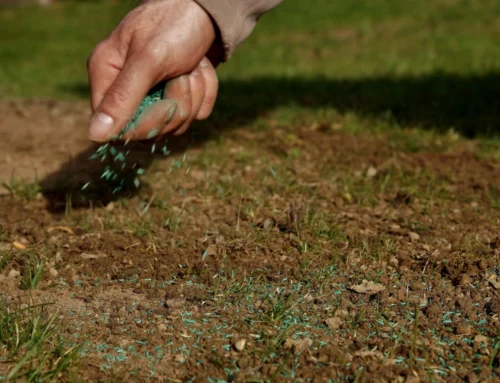
Grow Pros Lawn Care uses turf-type tall fescue as part of our lawn aeration and overseeding service. This grass type helps improve lawn density, fill in thin areas, and support a more durable turf surface over time. When overseeding is paired with proper lawn treatments, it can yield stronger results than simply spreading seed on the surface.
Why Turf-Type Tall Fescue Works Well in Northern Indiana
Turf-type tall fescue is a cool-season grass that performs well in Northern Indiana’s fall growing conditions. It is commonly used for overseeding because it establishes efficiently and can help strengthen lawns that have become thin or worn down. Its deeper root system can also help turf manage dry periods and seasonal stress more effectively.
Turf-type tall fescue is a strong choice because it can:
- Fill in thin or patchy lawn areas
- Establish during the cooler fall season
- Handle regular foot traffic from children and pets
- Develop deeper roots than many other grass types
- Improve the overall thickness and color of an existing lawn
- Work effectively with professional aeration and overseeding
When to Plant Grass Seed in Indiana
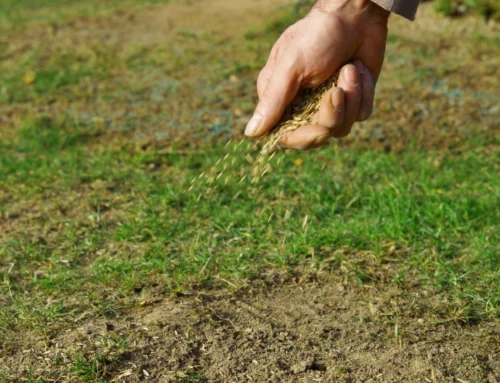
The best time to plant grass seed in Indiana is typically late August through September. During this period, soil temperatures are still warm enough for seed germination, while cooler air temperatures reduce stress on new grass. This gives young turf more time to establish before freezing weather arrives.
For Northern Indiana homeowners, early fall is generally the most effective time for aeration and overseeding. Grow Pros Lawn Care typically recommends completing fall overseeding before October whenever possible, since later applications may not give new grass enough time to build strong roots. A lawn evaluation can help determine the best timing based on your lawn’s condition and current weather patterns.
Why Fall Overseeding Produces Better Results
- Warm soil supports faster seed germination
- Cooler temperatures reduce stress on seedlings
- Fall moisture can support more consistent growth
- Weed competition is often lower than in spring
- New grass has time to establish before winter
- Lawns can enter spring with better density and coverage
Why Aeration Matters Before Overseeding
Grass seed needs good contact with the soil to germinate and establish properly. On compacted lawns, seed can sit on top of the surface without reaching the moisture, oxygen, and nutrients it needs to grow. Core aeration helps solve this problem by creating small openings throughout the lawn.
Aeration also improves the movement of air, water, and nutrients into the root zone. When combined with overseeding, new grass seed has a better environment for establishment, while the existing lawn benefits from reduced compaction. This makes aeration and overseeding one of the most effective services for thinning lawns in Elkhart County.
Signs Your Lawn May Need Aeration and Overseeding
- Grass looks thin or patchy across large areas
- Bare spots keep returning each season
- Soil feels hard when you walk across the lawn
- Water pools or runs off instead of soaking in
- Your lawn has heavy foot traffic from children or pets
- Grass struggles to recover after summer stress
- The lawn has poor density despite regular mowing and watering
How Fertilization Supports New Grass Growth
Overseeding is most effective when it is part of a complete lawn care plan. New grass needs the right nutrients to establish roots, develop color, and blend into the existing turf. A professional lawn fertilization program helps support healthy growth throughout the season.
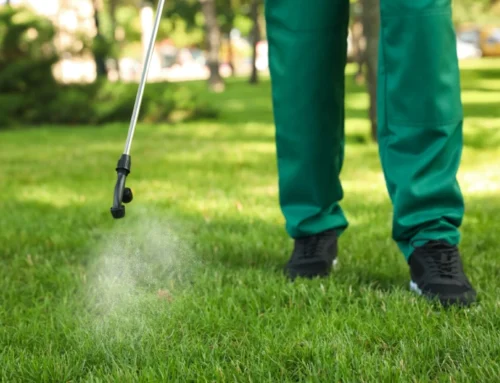
Grow Pros Lawn Care provides lawn fertilization and weed control services designed for local turf conditions. Fertilization helps support stronger grass growth, while weed control helps reduce competition from invasive plants that can take over thin areas. When these services are paired with fall aeration and overseeding, they can help create a thicker and more consistent lawn over time.
Why Weed Control Is Important Before and After Overseeding
Weeds compete with grass for water, nutrients, sunlight, and space. When weeds are taking over thin areas, grass seed may struggle to establish evenly. Managing weeds as part of a professional lawn treatment program helps create better conditions for overseeding success.
Timing matters when weed control and overseeding are both needed. Some weed control products can affect seed germination, which is why it is important to follow a professional plan instead of applying products without considering the timing. Grow Pros Lawn Care can help coordinate fertilization, weed control, and overseeding services so your lawn receives the right treatments at the right time.
What Can Prevent Grass Seed From Filling In
Even the best grass seed for Northern Indiana lawns may struggle if there is an underlying turf problem. Compacted soil, grub damage, poor nutrient levels, weeds, and summer stress can all prevent grass from growing thick and evenly. Addressing those problems helps new seed establish more successfully.
Common reasons lawns stay thin include:
- Soil compaction that limits root growth
- Poor nutrient availability
- Weed competition
- Grub damage beneath the turf
- Drought stress during summer
- Excessive shade in certain lawn areas
- Heavy foot traffic that wears down grass
How Grub Control Can Protect a Thicker Lawn
Grubs can damage a lawn by feeding on grass roots below the surface. When root systems are weakened, turf may become thin, loose, or easy to pull up. This damage can make it harder for overseeded areas to establish and maintain healthy coverage.
Grow Pros Lawn Care offers grub control services to help protect lawns from root-feeding damage. When grub activity is addressed as part of a lawn treatment plan, your grass has a better chance of developing stronger roots and maintaining higher density. This can be especially important for lawns that repeatedly develop thin or damaged areas.
Give Your Lawn the Right Conditions to Grow
A thicker lawn starts with more than choosing the right grass seed. It also requires healthy soil, proper timing, adequate nutrition, weed management, and protection from damaging lawn pests. Combining these elements gives your lawn a better foundation for long-term improvement.
Grow Pros Lawn Care can help you build a lawn treatment plan that includes fertilization, weed control, grub control, and fall aeration with overseeding. Our team uses turf-type tall fescue to help improve thin lawns throughout Elkhart, South Bend, and the surrounding Michiana area. Contact us today to request a lawn care quote and find out whether your lawn would benefit from professional overseeding.