Bare spots in lawns that Indiana homeowners deal with can make an otherwise healthy yard look thin, uneven, and difficult to maintain. The problem is not always a lack of grass seed, because bare patches often point to underlying issues with soil, pests, weeds, traffic, or overall lawn health. Professional lawn care can help identify the cause and provide a patchy lawn fix Elkhart homeowners can count on for lasting results.
What Causes Bare Spots in a Lawn?
Bare patches can develop for several reasons, and more than one issue may be affecting the same area. A spot that stays thin after mowing may need a different solution than one that suddenly turns brown and lifts away from the soil. Looking at the pattern, location, and condition of the turf can help narrow down the cause.
Common reasons your grass may have bare patches include:
- Compacted soil: Heavy foot traffic, pets, play areas, and equipment can compress soil and limit airflow, water movement, and root growth.
- Poor grass growth: Thin turf may not receive enough nutrients, sunlight, or consistent moisture to fill in open areas.
- Grub damage: Grubs feed on grass roots below the surface, causing patches to brown, loosen, and pull up easily.
- Weed competition: Aggressive weeds can crowd out grass, especially where turf is already thin or stressed.
- Disease or drought stress: Heat, humidity, improper watering, and disease pressure can weaken grass and leave exposed soil behind.
- Pet damage: Repeated pet urine in the same areas can burn grass and create small, recurring bare spots.
- Mowing issues: Cutting grass too short can stress the lawn, reduce root depth, and make it harder for thin areas to recover.
How to Tell What Is Causing the Problem
The location and appearance of the bare area can offer important clues. Patches along walkways, swing sets, or dog runs often indicate compaction or heavy traffic. Brown areas that peel back from the soil may indicate grub activity, while irregular thinning across the lawn may be connected to poor nutrition, weeds, or disease.
Ask yourself these questions before choosing a repair method:
- Does the grass pull up easily, almost like loose carpet?
- Is the bare area located where people, pets, or equipment travel often?
- Are weeds taking over the thin or open parts of the lawn?
- Does the area receive too much shade or stay wet for long periods?
- Did the patch appear after summer heat, heavy rain, or insect activity?
- Does the lawn look pale, weak, or thin beyond just one small area?
Why Throwing Down Seed Does Not Always Work
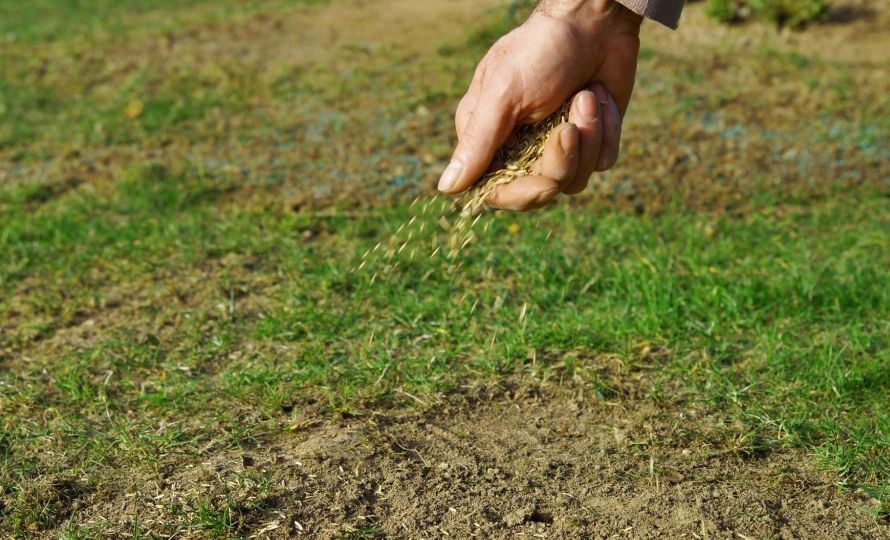
Overseeding bare spots Indiana homeowners notice can be effective, but seed needs the right conditions to establish. If the soil is compacted, the area is full of weeds, or grubs are still feeding on roots, new grass may struggle to survive. Simply adding seed without correcting the cause can lead to the same bare patch returning next season.
Successful lawn repair usually requires more than one step. The soil must be sufficiently open for seed-to-soil contact, and the lawn must have sufficient moisture and nutrients to support new growth. A complete approach gives the new grass a better chance to blend into the rest of the yard.
The Best Way to Repair Bare Spots
The right repair method depends on what caused the damage and how large the bare area has become. Small, isolated spots may respond well to light soil preparation and overseeding. Larger or recurring bare areas may need aeration, pest control, weed management, and a more complete lawn treatment plan.
1. Remove the Problem Before Repairing the Lawn
Start by addressing the cause of the bare patch. Control active grubs, reduce weeds, improve drainage, or limit traffic through the area before adding seed. This prevents new grass from being exposed to the same issue that damaged the original turf.
2. Loosen Compacted Soil
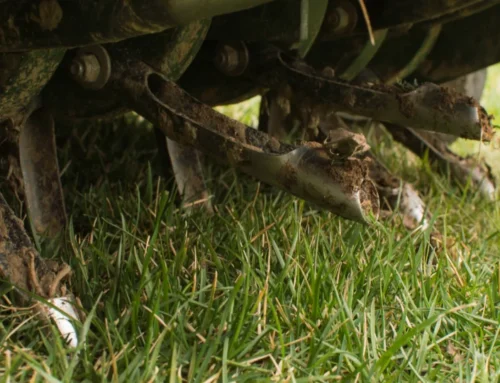
Compacted soil makes it difficult for grass roots to access oxygen, water, and nutrients. Core aeration removes small soil plugs to relieve compaction and create openings for stronger root development. This is especially helpful for lawns with widespread thinning, compacted soil, or recurring bare patches.
3. Overseed Thin and Bare Areas
Overseeding adds new grass seed to open areas, making the lawn thicker and more uniform. For Elkhart and Northern Indiana lawns, late summer into early fall is generally an effective time for aeration and overseeding because soil is still warm while grass faces less summer stress. Grow Pros Lawn Care uses aeration and overseeding together to improve seed-to-soil contact and support stronger turf establishment.
4. Water New Seed Consistently
New seed needs frequent, light watering to stay moist during germination. Once the grass begins to establish, watering can gradually shift toward deeper and less frequent applications. Avoid letting the soil dry out completely during the early stages of growth.
5. Support Recovery With Proper Lawn Treatments
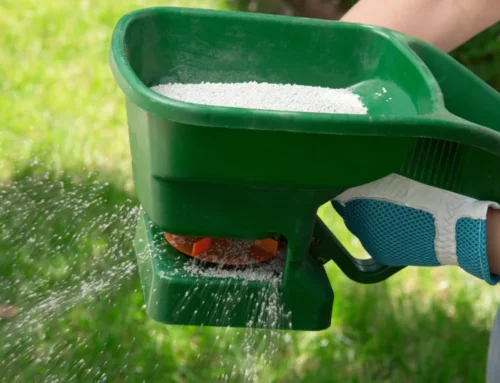
A thin lawn is more likely to develop weeds, drought stress, and additional bare spots. Seasonal fertilization helps support steady growth, while weed control reduces competition for water, sunlight, and nutrients. Grow Pros Lawn Care’s lawn treatment programs combine fertilization, weed control, and seasonal services to support stronger turf throughout the growing season.
When Bare Spots May Be a Grub Problem
Grubs can cause sudden brown patches because they feed on the grass’s root system. As roots are damaged, turf may become soft, loose, and easy to pull up by the roots. You may also notice birds, skunks, raccoons, or other animals digging in the lawn as they search for grubs.
Signs that grubs may be involved include:
- Grass that pulls up easily from the soil
- Brown patches that expand during late summer or early fall
- Increased animal digging in damaged areas
- Turf that feels spongy or loose underfoot
- Grass that does not recover even after watering and fertilizing
Professional grub control can stop root damage before it spreads further across the lawn. Grow Pros Lawn Care provides targeted grub treatments designed to protect turf roots and reduce the risk of widespread brown patches.
How to Prevent Bare Spots From Coming Back
The best long-term solution is to build up the turf to a thicker height so it can handle stress before bare patches develop. Healthy grass shades the soil, competes with weeds, and creates a stronger root system that is better able to recover from weather and foot traffic. Consistent lawn care is more effective than waiting until the lawn is already thin and damaged.
To help prevent future bare spots:
- Mow at an appropriate height instead of cutting the lawn too short.
- Water deeply enough to encourage deeper roots instead of frequent shallow watering.
- Keep traffic off stressed or newly seeded areas whenever possible.
- Schedule aeration when soil compaction is limiting turf growth.
- Overseed thin sections before they become fully bare.
- Use seasonal fertilization and weed control to support dense, healthy grass.
- Address grub activity early before root damage becomes visible.
Get Help With Bare Spots in Your Elkhart Lawn
A few thin areas may be easy to repair, but recurring bare spots usually need a closer look at the health of the entire lawn. Grow Pros Lawn Care can identify the conditions affecting your turf and recommend the right combination of lawn treatments, grub control, aeration, and overseeding. Contact us today for a lawn repair service Indiana homeowners can rely on to build thicker, healthier grass over time.