Table of Contents
Lawn diseases in Northern Indiana often show up as brown spots, thinning grass, strange patches, or weak turf that does not recover after watering. Many problems come from excess moisture, heat, humidity, poor airflow, compacted soil, or stressed grass. Grow Pros Lawn Care offers lawn treatment programs in Elkhart and nearby Michiana areas, including targeted disease control for common fungal issues.
Why Lawn Disease Happens in Northern Indiana
Northern Indiana lawns deal with humid summers, wet spring weather, cool fall conditions, and heavy seasonal stress. These conditions can make fungal problems more active, especially when the grass stays damp for too long. Lawn disease control in Indiana starts with knowing what the problem looks like and why it is spreading.
Some lawn disease problems can look like drought, insect, or fertilizer stress. That is why lawn disease identification matters before any treatment is applied. A correct diagnosis helps you avoid wasting time and money on the wrong solution.
Brown Patch Lawn Disease
Brown patch lawn disease is one of the most common summer lawn fungus problems in Indiana. It often appears as round or uneven brown areas, especially during warm and humid weather. The patches may spread quickly when lawns are watered too often or stay wet overnight.
Brown patch lawn problems in Indiana are common in thick, stressed, or overwatered turf. The best treatment usually includes better watering habits, proper mowing, and professional fungicide applications when needed. A lawn care expert can confirm if the damage is brown patch or another issue.
Dollar Spot Grass Disease
Dollar spot grass disease usually creates small tan or straw-colored spots across the lawn. These spots may start about the size of a silver dollar, then connect into larger damaged areas. You may also see hourglass-shaped marks on individual grass blades.
Dollar spot often appears when lawns are low in nutrients or under stress. It can worsen on warm days, cool nights, and heavy morning dew. Lawn fungus treatment near me searches are common when homeowners see these small spots spreading across the yard.
Red Thread Lawn Disease
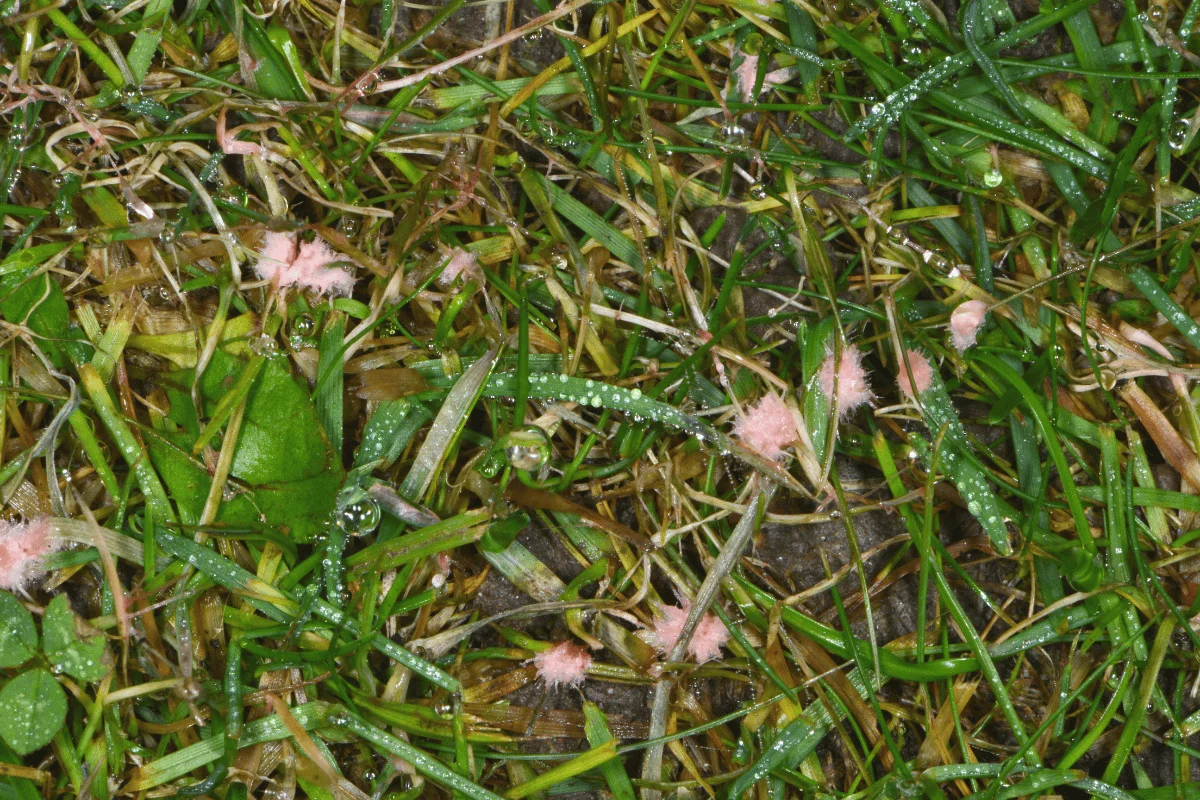
Red thread lawn disease often shows up as pink, red, or thread-like growth on grass blades. It usually affects weak, underfed, or slow-growing lawns. The lawn may look patchy, faded, or thin before the red strands become easy to see.
This disease is often more common during cool, damp weather. Fertilization and stronger turf growth can help reduce future problems. Professional lawn disease treatment may also be needed if the disease keeps coming back.
Leaf Spot and Melting Out
Leaf spot starts as small brown, purple, or black marks on grass blades. If it worsens, the disease can move down into the crown of the plant, causing thinning or dead patches. This stage is often called melting out.
Leaf spot can spread when grass is stressed by poor mowing, too much moisture, or weak soil conditions. Regular mowing at the right height and proper lawn care can help reduce the risk. A professional inspection can determine whether the lawn needs treatment, aeration, overseeding, or better maintenance habits.
Rust Disease
Rust disease can make grass look orange, yellow, or dusty. If you walk across the lawn, orange powder may stick to your shoes, mower, or clothing. It often appears when the grass is growing slowly, and the weather conditions are humid.
Rust usually affects lawns that need better nutrition or stronger growth. It may improve with proper changes to fertilization, mowing, and watering. If the problem continues to spread, professional lawn disease control can help protect the rest of the turf.
Snow Mold
Snow mold can appear after snow melts in late winter or early spring. It often leaves gray, white, or pink patches across matted grass. The lawn may look flat, weak, or covered with web-like growth.
This disease is more common when leaves, debris, or long grass sit under snow for too long. Fall cleanup, final mowing, and balanced late-season lawn care can reduce the risk. If snow mold damages large areas, overseeding may help the lawn recover.
How to Tell If Your Lawn Has a Disease
Lawn disease often creates patterns that differ from those of simple drought stress. You may notice circular spots, thinning patches, colored grass blades, moldy growth, or areas that keep spreading. If watering does not help, fungus may be part of the problem.
Common signs include:
- Brown, yellow, red, gray, or orange patches
- Small spots that spread into larger damaged areas
- Powdery, web-like, or thread-like growth on grass
- Thin turf that does not recover after normal care
- Damage that appears during humid, wet, or stressful weather
How Lawn Disease Is Treated
Lawn disease treatment depends on the type of fungus and the condition of the lawn. Some problems improve with better mowing, watering, fertilization, and airflow. Other issues need a targeted fungicide treatment to stop the disease from spreading.
Professional lawn disease control in Indiana services can also address the conditions that cause the disease. That may include improving soil health, reducing compaction, adjusting irrigation, or strengthening weak turf. Treating the disease and the lawn together gives the grass a better chance to recover.
How to Prevent Lawn Fungus
The best way to prevent lawn fungus is to keep the grass healthy before disease starts. A thick, well-fed lawn can handle stress better than thin or weak turf. Consistent lawn care also makes it easier to spot problems early.
Helpful prevention steps include:
- Water deeply but less often
- Water early in the morning
- Avoid mowing too short
- Keep mower blades sharp
- Remove heavy leaf cover and debris
- Improve soil health with aeration when needed
- Follow a balanced fertilization schedule
When to Call for Lawn Disease Treatment
You should call for lawn disease treatment when spots keep spreading, grass keeps thinning, or the lawn does not improve with normal care. It is also smart to get help if you are unsure whether the problem is fungus, insects, drought, or soil stress. A trained lawn care team can inspect the turf and recommend the right next step.
Grow Pros Lawn Care helps homeowners in Elkhart, South Bend, Granger, and nearby Northern Indiana areas care for healthier lawns. Our team can identify common lawn diseases and apply targeted treatments when needed. Contact us today if you need help with lawn fungus, brown patch, dollar spot, red thread, or other turf problems.