Table of Contents
Elkhart’s changing winter temperatures can make the soil repeatedly freeze, thaw, expand, and contract. This movement may disturb grass roots, expose vulnerable crowns, and leave the lawn compacted or uneven by spring. Understanding the freeze-thaw cycle can help you prevent unnecessary damage and support a stronger root system throughout the growing season.
What Is a Freeze-Thaw Cycle?
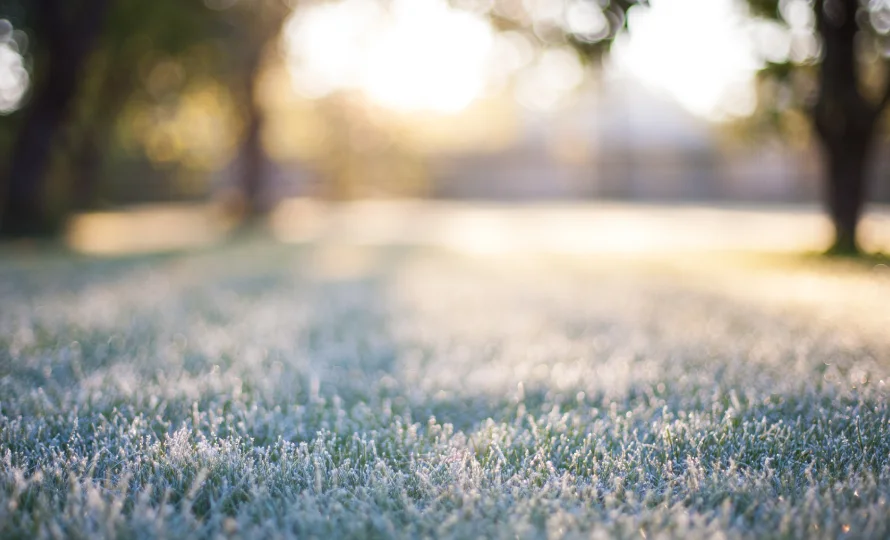
A freeze-thaw cycle begins when moisture in the soil freezes and expands during cold weather. When temperatures rise above freezing, that moisture melts and the soil contracts again. Elkhart lawns may experience this process several times between late fall and early spring.
Repeated soil movement can gradually place stress on turf roots. Grass may remain dormant above the surface, but its roots and crowns can still be affected by shifting soil, excess moisture, and sudden temperature changes.
How Freezing and Thawing Damage Grass Roots
Healthy grass roots depend on stable soil with access to air, water, and nutrients. Repeated winter temperature changes can disturb those conditions and make it harder for the lawn to recover when active growth returns. Common freeze-thaw problems include:
- Soil heaving: Freezing moisture expands and can lift soil, grass plants, and shallow roots toward the surface.
- Exposed roots: Raised roots and crowns become more vulnerable to cold air, drying winds, and sudden temperature changes.
- Broken roots: Soil movement can stretch, tear, or separate fine roots from the surrounding soil.
- Compacted soil: Wet ground can become tightly compressed under foot traffic, limiting the movement of air, water, and nutrients.
- Crown damage: The crown is the growing point at the base of the grass plant. Damage to this area can cause thinning or prevent the plant from recovering.
Freeze-thaw cycles are associated with soil heaving, which can disrupt fine roots and expose plant crowns to drying and temperature extremes. Fibrous-rooted grasses have some resistance, but young or poorly established plants may be more vulnerable.
Why Winter Foot Traffic Makes Damage Worse
Frozen or partially thawed turf is more fragile than it appears. Walking, playing, or driving equipment across the lawn can crush grass blades, injure crowns, and compress wet soil around the roots. Try to limit these activities during winter:
- Walking along the same route across the lawn
- Allowing vehicles or heavy equipment onto the grass
- Piling shoveled snow in one concentrated area
- Crossing turf when the ground feels soft or spongy
- Attempting lawn work before the soil has dried
A temporary path across a driveway or hard surface can help protect the lawn. Reducing traffic is especially important during a thaw, when saturated soil can be easily compressed.
Signs of Freeze-Thaw Damage in Spring
Winter damage may not become obvious until the snow melts and the grass begins growing again. Some affected areas recover naturally, while others need professional lawn care services to restore healthy growth.
Watch for these spring warning signs:
- Thin, bare, or matted patches
- Grass crowns or roots sitting above the soil
- Uneven or raised sections of turf
- Standing water or slow drainage
- Areas that remain brown after surrounding grass turns green
- Hard soil that resists a screwdriver or soil probe
Avoid treating every brown patch immediately. Grass can take time to leave dormancy, so the lawn should be inspected after temperatures become consistently warmer.
How to Protect Your Lawn Before Winter
Preparation cannot stop the weather, but it can help the root system enter winter in better condition. Proper fall care encourages stronger turf and reduces additional stress during periods of freezing and thawing.
Helpful fall lawn care practices include:
- Keep mowing as needed: Continue mowing while the grass is actively growing, but avoid cutting it extremely short.
- Remove heavy leaf coverage: Thick layers of leaves can trap moisture and block sunlight from reaching the turf.
- Water during dry weather: If fall conditions are unusually dry, provide appropriate moisture before the ground freezes.
- Aerate compacted soil: Core aeration creates pathways that help air, water, and nutrients move into the root zone.
- Overseed thin areas: Establishing denser turf can improve overall resilience and reduce open spaces for weeds.
Consistent seasonal care gives the grass a stronger foundation before winter arrives. It also makes spring recovery easier when weather conditions become favorable again.
What to Do When Your Lawn Thaws
Give the ground time to dry before beginning spring cleanup. Raking or using heavy equipment on saturated soil may pull out weakened grass and create deeper compaction. Once the lawn is firm enough to handle light activity, you can:
- Gently remove loose leaves and debris
- Lightly rake matted grass
- Look for raised crowns or uneven soil
- Check areas where water collects
- Mark thin sections for possible overseeding
- Schedule an evaluation before applying treatments
Professional evaluation can help distinguish winter stress from disease, insect activity, or poor drainage. This prevents unnecessary treatments and gives the lawn care plan a clearer direction.
Build Stronger Turf With Professional Lawn Care
At Grow Pros Lawn Care, we help Elkhart homeowners develop healthier turf through structured treatment programs and reliable seasonal service. Our lawn care services include lawn evaluation, customized treatment planning, scheduled fertilization and weed control, targeted pest treatments, and ongoing adjustments based on changing conditions.
We also offer aeration and overseeding to address compacted soil, support stronger root development, and improve thin areas. By caring for the lawn throughout the growing season, we can help it recover from winter stress and prepare for future temperature changes.
Help Your Elkhart Lawn Recover From Winter Stress
Freeze-thaw cycles can weaken roots, compact soil, and leave your lawn struggling when spring arrives. Investing in professional lawn care gives your turf the nutrition, aeration, and seasonal support it needs to recover and grow stronger. Contact us today to request an evaluation and build a lawn care plan suited to your Elkhart property.