Table of Contents
- Why Northern Indiana Lawns Need a Monthly Plan
- January and February: Protect the Lawn During Winter
- March: Clean Up Debris and Check Lawn Conditions
- April: Start Pre-Emergent Weed Control
- May: Feed the Lawn and Control Broadleaf Weeds
- June: Mow Consistently and Watch for Lawn Disease
- July: Raise the Mower Height and Monitor Grubs
- August: Start Planning Aeration and Overseeding
- September: The Best Month for Fall Lawn Recovery
- October: Keep Mowing and Mulch Leaves
- November: Apply Winterizer Fertilizer
- December: Let the Lawn Rest
- Your Local Lawn Care Team in Elkhart and South Bend
Northern Indiana lawns need care that follows the seasons, not a one-size-fits-all schedule. This Indiana lawn care calendar breaks down what to do each month in Elkhart, South Bend, and nearby Zone 5b/6a areas. From fertilization and weed control to aeration, overseeding, mowing, and winter prep, the right timing helps your lawn stay healthier all year.
Why Northern Indiana Lawns Need a Monthly Plan
A strong lawn care schedule in Indiana works because cool-season grass changes with the weather. Lawns in Elkhart and South Bend grow fast in spring, slow down during summer heat, recover in fall, and rest through winter. This monthly lawn care Indiana guide shows what matters most during each part of the year.
Key seasonal goals include:
- Feed the lawn during active growth
- Prevent crabgrass before it starts
- Control weeds before they spread
- Mow at the right height for the season
- Aerate and overseed before fall frost
- Prepare roots before winter dormancy
January and February: Protect the Lawn During Winter
January and February are quiet months for lawn maintenance, but your lawn still needs protection. Grass is usually dormant or frozen, so heavy foot traffic can damage crowns and compact the soil. The best move during this time is to leave the lawn alone as much as possible.
Keep these winter lawn care tips in mind:
- Avoid walking on frozen grass when possible
- Keep snow piles away from weak turf areas
- Do not apply fertilizer during dormancy
- Watch for salt damage near driveways and sidewalks
- Plan spring services before the busy season starts
March: Clean Up Debris and Check Lawn Conditions
March is when spring lawn care in Indiana starts to take shape. As snow melts and temperatures rise, your lawn may show matted grass, dead patches, sticks, leaves, and winter debris. A light cleanup helps air reach the turf and gives you a better view of what needs attention next. Focus on these March tasks:
- Rake leaves, sticks, and dead grass
- Check for snow mold or winter damage
- Look for thin or bare spots
- Avoid heavy equipment if the soil is wet
- Schedule spring lawn care services early
April: Start Pre-Emergent Weed Control
April is one of the most important months for weed prevention in Elkhart and South Bend. Pre-emergent crabgrass control usually begins when soil temperatures reach about 55 degrees, often around the time forsythia blooms in Elkhart County. This timing matters because crabgrass control works best before weeds germinate.
Important April lawn care steps include:
- Apply pre-emergent weed control
- Begin mowing when grass starts growing
- Keep mowing height around 2.5 to 3.5 inches
- Clean up remaining winter debris
- Avoid cutting more than one-third of the grass blade
May: Feed the Lawn and Control Broadleaf Weeds
May brings fast growth for cool-season lawns in Northern Indiana. This is a good time to fertilize because the lawn is actively growing and can use the nutrients. It is also a key month for controlling broadleaf weeds before they spread across the yard.
For May lawn care, focus on:
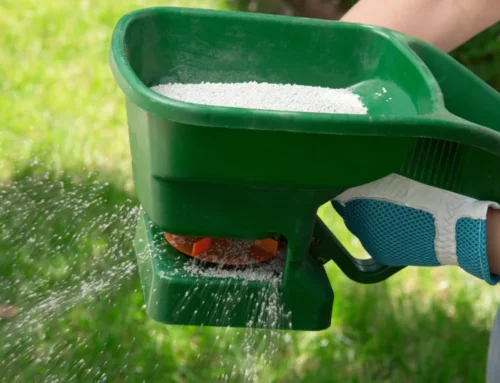
- Spring fertilization
- Broadleaf weed control
- Regular mowing
- Spot checks for thin turf
- Watering only when rainfall is not enough
June: Mow Consistently and Watch for Lawn Disease
June lawn care is all about keeping growth steady without stressing the grass. Warm, humid weather can bring lawn disease issues like red thread or dollar spot, especially when lawns stay wet for too long. Consistent mowing and smart watering help protect the lawn before summer heat gets stronger. Use these June lawn care tips:
- Mow regularly at 3 to 3.5 inches
- Water deeply when needed
- Aim for 1 to 1.5 inches of water per week
- Water early in the morning, ideally between 4 a.m. and 8 a.m.
- Watch for discolored patches or signs of disease
July: Raise the Mower Height and Monitor Grubs
July can be stressful for lawns in Elkhart and South Bend because heat and dry weather can slow growth. Raising the mowing height to 3.5 to 4 inches helps shade the soil and protect the roots. This is also a good time to watch for grub activity before damage becomes more visible. July lawn care should include:
- Raise mowing height during heat
- Keep mower blades sharp
- Water deeply if the lawn is not dormant
- Check for grub damage
- Apply summer fertilizer only when conditions are right
August: Start Planning Aeration and Overseeding
August is when fall lawn recovery begins in Northern Indiana. Thin spots, summer stress, and compacted soil often become more noticeable by late summer. Around August 15, homeowners can begin preparing for seeding, patching, and fall lawn improvement.
August lawn care tasks include:
- Start seeding thin areas after mid-August
- Schedule core aeration
- Prepare for overseeding
- Check for grub activity
- Keep new seed lightly watered if applied
September: The Best Month for Fall Lawn Recovery
September is the most important month on the lawn maintenance calendar Indiana homeowners should follow. Core aeration and overseeding work best from about August 15 to September 15, but early September is often the sweet spot. This timing gives seed enough time to germinate before colder weather arrives.
Your fall lawn care checklist Indiana plan should include:
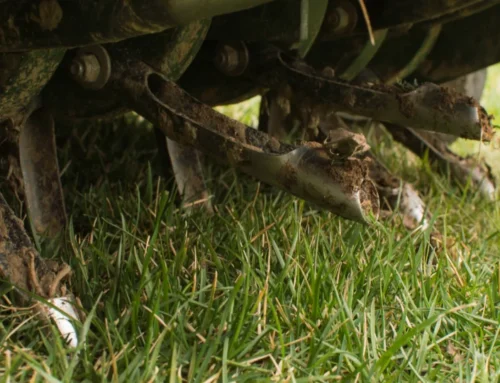
- Core aeration
- Overseeding thin areas
- Fall fertilization
- Weed control where needed
- Watering new seed consistently
- Completing overseeding before October 1 when possible
October: Keep Mowing and Mulch Leaves
October is a cleanup and recovery month for Northern Indiana lawns. Grass may still grow during mild weather, so mowing should continue until growth slows down. Mulching leaves into the lawn can also return nutrients to the soil when leaves are not too thick.
October lawn care steps include:
- Keep mowing as long as grass grows
- Mulch light leaf cover into the lawn
- Remove heavy leaf piles
- Water new seed when needed
- Avoid letting wet leaves smother turf
November: Apply Winterizer Fertilizer
November is when many homeowners ask when to fertilize lawn Indiana properties before winter. A late fall winterizer fertilizer helps support root development before the lawn goes dormant. This final feeding can help the lawn come back stronger when spring returns.
November tasks include:
- Apply late fall winterizer fertilizer
- Clear leaves before snowfall
- Mow one final time if needed
- Store lawn tools and equipment
- Avoid heavy traffic on wet or freezing turf
December: Let the Lawn Rest
December is a low-maintenance month, but it still matters. Once the lawn is dormant, the goal is to avoid unnecessary stress and protect the turf until spring. Heavy traffic, piled snow, and salt exposure can all create problems that show up later. In December, focus on:
- Keeping foot traffic light
- Avoiding parking on the lawn
- Reducing salt runoff near turf edges
- Leaving dormant grass undisturbed
- Planning next year’s lawn care services
Your Local Lawn Care Team in Elkhart and South Bend
When it comes to lawn care Elkhart Indiana homeowners can count on, Grow Pros Lawn Care is here to make the process easier. We provide lawn care programs that include lawn evaluation, customized treatment planning, scheduled fertilization and weed control, targeted pest treatments, grub control, aeration and overseeding, and seasonal adjustments based on what your lawn needs. Our goal is to help you follow the right lawn care schedule Indiana lawns need without guessing every month.
Build a Healthier Lawn With the Right Monthly Care
A healthy lawn in Elkhart and South Bend starts with the right care each season. From weed control to aeration, overseeding, and fertilization, a monthly plan helps your grass stay stronger year-round. Contact us today to build a lawn care plan for your Northern Indiana property.