Table of Contents
- Why Aeration and Overseeding Matter
- What Is Core Aeration?
- Core Aeration Benefits
- What Is Overseeding?
- When to Aerate Lawn in Indiana
- Signs Your Lawn Needs Aeration and Overseeding
- Why Fall Works Well in Elkhart and South Bend
- What to Do After Aeration and Overseeding
- Should You Aerate and Overseed Every Year?
- Why Choose Grow Pros Lawn Care?
- Build a Thicker Lawn Before Next Spring
Lawn aeration and overseeding help Northern Indiana homeowners repair thin grass, loosen compacted soil, and build a thicker lawn before the next growing season. The best time to aerate and overseed in Indiana is usually late summer through early fall, when cool-season grasses can recover, and new seed can germinate before winter. For lawns in Elkhart, South Bend, and nearby areas, this service can make a big difference after summer heat, foot traffic, and dry weather.
Why Aeration and Overseeding Matter
Northern Indiana lawns often deal with compacted soil, thinning grass, weeds, and summer stress. Aeration opens the soil so air, water, and nutrients can reach the roots more easily. Overseeding adds new grass seed to thin areas, allowing the lawn to grow thicker rather than leaving open spots for weeds.
These two services work well together because aeration improves seed-to-soil contact. When grass seed falls into the small holes left by core aeration, it has a better chance to grow. That is why many homeowners schedule aeration and overseeding simultaneously.
What Is Core Aeration?
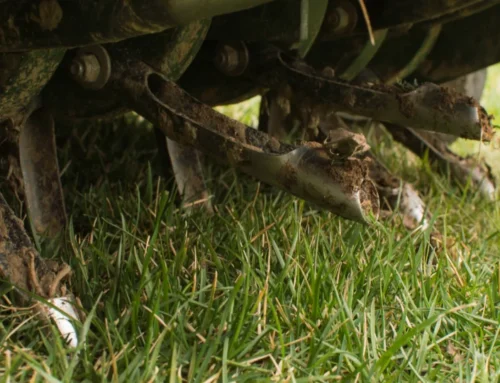
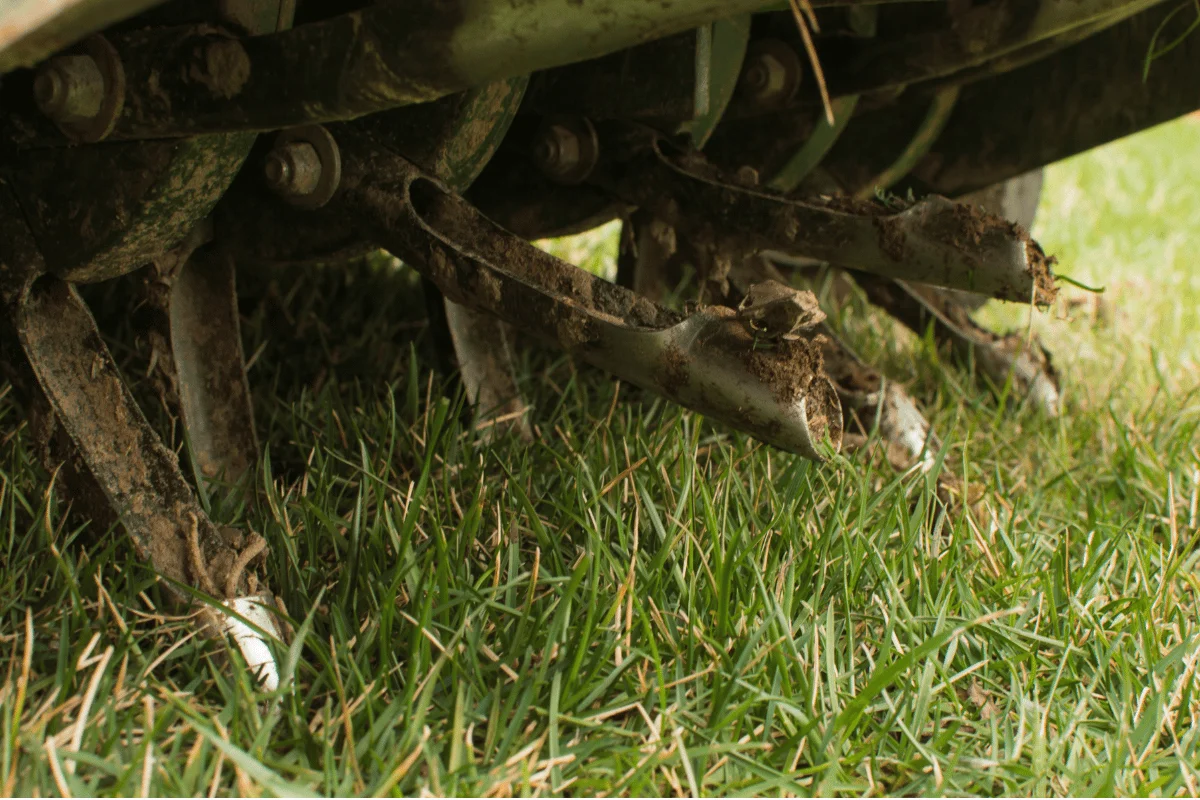
Core aeration removes small plugs of soil from the lawn. This helps reduce compaction and gives the root zone more space to receive water, oxygen, and nutrients. The soil plugs break down naturally, returning organic matter to the lawn.
Core aeration is different from simply poking holes in the ground. Spike aeration can compact the soil more tightly around the hole, while core aeration removes soil from the lawn. This makes core aeration a better option for compacted lawns.
Core Aeration Benefits
Core aeration benefits lawns that feel hard, dry out quickly, or grow unevenly. When soil is packed down, roots cannot spread as well. Aeration helps create better growing conditions from the ground up. Key benefits include:
- Better water movement into the soil
- Stronger root growth
- Less soil compaction
- Better fertilizer performance
- Improved seed-to-soil contact
- Thicker turf after overseeding
What Is Overseeding?
Overseeding means spreading new grass seed over an existing lawn. It helps fill thin spots, improve lawn density, and refresh areas damaged by heat, pests, weeds, or regular use. In Northern Indiana, overseeding works best when the lawn has enough time to grow before cold weather arrives.
Overseeding is especially useful after aeration. The seed can settle into the aeration holes and reach the soil more easily. This gives new grass a better chance to establish.
When to Aerate Lawn in Indiana
The best time to aerate a lawn in Indiana is usually late summer to early fall. This timing works well because cool-season grass is actively growing and temperatures are less stressful. In Northern Indiana, many lawns benefit from aeration and overseeding from late August through September.
Spring aeration can help in some cases, but fall is usually better when overseeding is part of the plan. Spring weeds are more active, and new grass may struggle once summer heat arrives. Fall gives the lawn a better chance to recover and fill in before winter.
Signs Your Lawn Needs Aeration and Overseeding
Your lawn may need aeration and overseeding if it looks thin, patchy, or weak after summer. Compacted soil can also make water run off instead of soaking in. If the ground feels hard under your feet, the roots may need more room to breathe. Common signs include:
- Thin or bare spots
- Hard soil
- Water runoff after rain
- Weak grass growth
- Heavy foot traffic
- Patchy color
- Weeds are spreading into open areas
Why Fall Works Well in Elkhart and South Bend
Fall aeration in Elkhart and lawn aeration in South Bend, Indiana, work well because local lawns often use cool-season grasses. These grasses grow better when temperatures cool down, and moisture becomes more consistent. Fall also gives roots time to strengthen before winter.
After summer, many lawns are stressed from heat, dry weather, insects, and regular use. Aeration helps loosen the soil, while overseeding helps repair thin areas. Together, they prepare the lawn for stronger growth next spring.
What to Do After Aeration and Overseeding
After aeration and overseeding, watering is very important. New seed needs steady moisture near the soil surface to germinate. The goal is to keep the soil damp without flooding the lawn.
You should also limit heavy foot traffic while the new grass is establishing itself. Wait to mow until the new grass is tall enough and the lawn is firm enough for equipment. Good aftercare helps the seed grow evenly and reduces thin results.
Should You Aerate and Overseed Every Year?
Not every lawn needs aeration and overseeding every year. Lawns with compacted soil, heavy foot traffic, or repeated thinning may benefit from regular service. Healthier lawns may only need it every other year or as needed.
The right schedule depends on your soil, turf density, and lawn goals. If your lawn looks thin every fall, yearly aeration and overseeding may be worth it. If your lawn is already thick, a professional inspection can help decide the best plan.
Why Choose Grow Pros Lawn Care?
Grow Pros Lawn Care helps homeowners improve the condition of thin, compacted, and stressed lawns across Northern Indiana. Our team understands local lawn conditions, seasonal timing, and the common issues that affect properties in Elkhart, South Bend, and nearby areas. We use aeration and overseeding as part of a complete lawn health plan, not just a one-time treatment.
Build a Thicker Lawn Before Next Spring
Aeration and overseeding in Northern Indiana can help your lawn recover from summer stress, fill thin spots, and grow stronger before winter. The best results come from proper timing, good soil contact, and the right aftercare. If your lawn in Elkhart, South Bend, or a nearby area looks thin or compacted, contact us today to schedule professional aeration and overseeding before the fall window fills up.