Knowing when to apply pre emergent in Indiana can make the difference between stopping weeds early and fighting them all summer. Pre-emergent weed control should go down before weeds germinate, while post-emergent weed control works after weeds are already growing. For Elkhart and much of northern Indiana, the best timing usually starts in late March through mid-April, depending on soil temperature.
Why Weed Control Timing Matters in Indiana
Indiana lawns deal with fast spring warm-ups, cool nights, summer heat, and heavy weed pressure from crabgrass, dandelions, clover, henbit, and chickweed. That is why a weed control schedule for Indiana should follow soil temperature and growth patterns, not just a calendar date. If treatments go down too early or too late, weeds can break through before the product has a chance to work.
The main goal is simple. Pre-emergent prevents weeds before they sprout, and post-emergent treats weeds after they appear. A strong plan uses both at the right time.
Best Time to Apply Pre-Emergent in Indiana
The best pre-emergent timing in Indiana is when soil temperatures reach 50 to 55 degrees for several days in a row. In Elkhart County, that often happens from late March to mid-April, but warm springs can move the window earlier. A good visual sign is when yellow forsythia bushes start blooming.
For better crabgrass prevention in Indiana, many lawns benefit from split applications:
- First application: Late March to mid-April
- Second application: 6 to 8 weeks later
- Fall pre-emergent: Late summer or early fall
- Key target: Crabgrass, foxtail, henbit, chickweed, and other seasonal weeds
Pre-emergent weed control in Elkhart works best before weed seeds wake up. Once crabgrass or other weeds have already started growing, post-emergent treatment becomes the better option.
Use Soil Temperature and GDD Tracking
A calendar can help, but soil temperature gives a more accurate answer. Sunny areas, south-facing lawns, and thin turf can warm up faster than shaded areas. That means one part of your lawn may need attention before another.
A Growing Degree Day tracker, also called a GDD tracker, can help advanced homeowners follow spring warm-up patterns more closely. For crabgrass prevention, watch for the window when soil temperatures stay near 50 to 55 degrees. This is one reason local timing matters more than a generic national weed control guide.
When to Apply Post-Emergent Weed Control
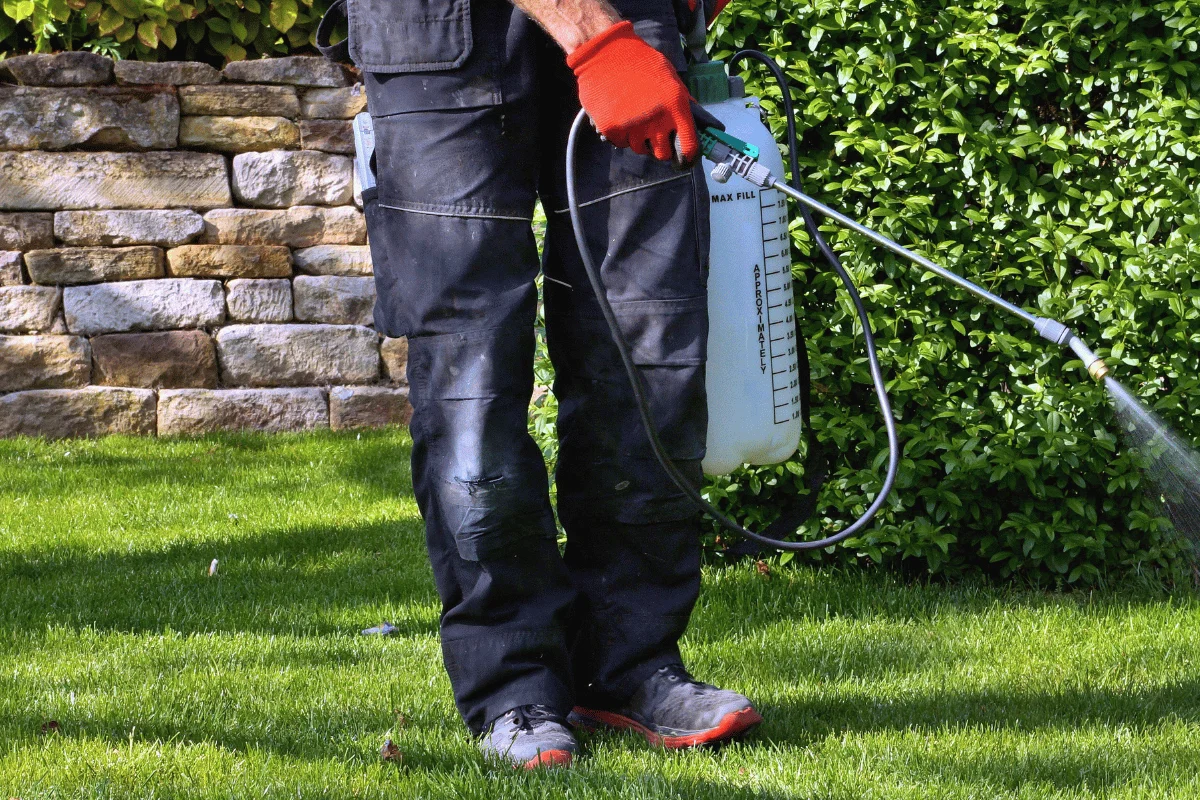
Post emergent weed control timing usually starts in late May or early June when weeds are actively growing. This treatment works best when weeds are young, small, and easier to control. Waiting too long can make weeds harder to treat, especially crabgrass after mid-summer.
The best time to spray weeds in Indiana depends on the weed type and the weather. Most post-emergent products work better when weeds are not stressed by extreme heat or drought. Fall treatments in September and October can also help control winter annual weeds before they spread.
Indiana Weed Control Timing by Season
A simple seasonal plan can help you stay ahead of the most common lawn weeds. The timing may shift slightly each year based on weather, soil temperature, and how fast your lawn wakes up in spring. Still, this schedule gives homeowners a strong starting point.
- Early spring: Apply pre-emergent when soil reaches 50 to 55 degrees
- Late spring: Apply a second pre-emergent if needed for longer coverage
- Early summer: Spot-treat young weeds with post-emergent control
- Mid-summer: Use careful spot treatments only when weather allows
- Early fall: Apply weed control for winter annuals like henbit and chickweed
- Late fall: Support turf health with fertilization before winter dormancy
What Happens If You Miss the Pre-Emergent Window?
Missing the pre-emergent window does not mean the lawn is ruined. It just means the strategy needs to change from prevention to control. Once weeds are already visible, post-emergent treatment becomes the next step.
For young crabgrass, some post-emergent products can still help when applied at the right stage. However, larger summer crabgrass is much harder to manage. This is why early timing is so important for crabgrass prevention in Indiana.
Why Grow Pros Lawn Care Is a Smart Choice for Weed Control Timing
At Grow Pros Lawn Care, we build our lawn fertilization and weed control services around proper timing, local conditions, and long-term lawn health. Our programs include scheduled treatments from April through November, with options that include fertilizer, weed control, crabgrass prevention, grub control, aeration, disease treatments, and late fall winter fertilizer. We help homeowners choose the right plan based on their lawn’s condition, goals, and seasonal needs.
We do not want you guessing when to treat weeds or hoping store-bought products work at the right time. We use structured lawn care programs that support thicker grass, stronger roots, better color, and fewer weed problems through the season. Our goal is to make lawn care easier while helping your property look cleaner, healthier, and better protected.
Get Weed Control Timing Right This Season
The best weed control schedule in Indiana starts before weeds take over, with pre-emergent applied when soil reaches 50 to 55 degrees. Post-emergent treatments help control young weeds, while fall service can reduce winter annuals. Contact us today to schedule a lawn fertilization and weed control plan built around Indiana’s growing season.