Table of Contents
Winter lawn care in Northern Indiana does not mean actively treating your grass through snow and freezing temperatures. It means completing the right work before winter and avoiding habits that can damage dormant turf. What happens during late fall and winter can directly affect how quickly your lawn recovers once spring arrives.
Dormant Grass Is Not Dead Grass
Many homeowners assume their lawn dies when growth stops in November. Cool-season grasses such as Kentucky bluegrass, perennial ryegrass, and tall fescue actually enter dormancy, allowing them to conserve energy during freezing weather.
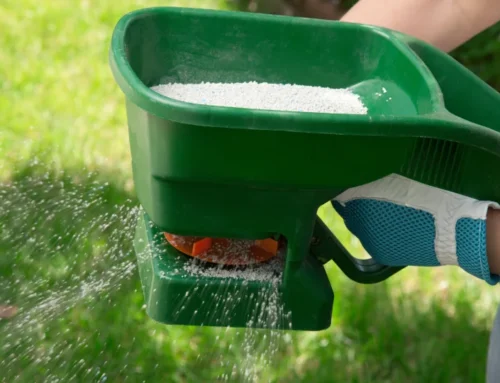
The roots can remain active after blade growth slows, so proper late-season nutrition still matters. A correctly timed winterizer application can strengthen the root system and store nutrients for spring growth.
However, timing and product selection should reflect the lawn’s condition and the weather. Applying fertilizer too late, on frozen ground, or before heavy runoff can waste the treatment and potentially move nutrients away from the lawn.
A Layer of Leaves Does Not Protect the Lawn
A few scattered leaves usually cause little trouble, but a thick layer can block sunlight and air from reaching the grass. Once rain or snow weighs the leaves down, they may form a wet mat that holds moisture against the turf. That environment can weaken the grass and increase the risk of snow mold and other fungal problems. Before lasting snow arrives, homeowners should:
- Remove thick piles of leaves from the lawn
- Mulch light leaf coverage into small pieces
- Clear leaves from low spots where water collects
- Continue cleanup until most trees have finished dropping leaves
The Final Mow Should Not Be Extremely Short
Cutting the lawn very short may seem like an easy way to avoid one more mow, but scalping exposes vulnerable plant tissue to cold and dry winter conditions. Leaving the grass too tall creates a different problem because long blades can bend, mat, and hold moisture beneath the snow.
Gradually lower the mowing height during the final cuts instead of making one drastic change. A final height of roughly 2 to 2.5 inches may suit many cool-season lawns, although the ideal height can vary by grass type and current condition.
Complete the last mow when the grass is dry and still growing enough to benefit from cutting. Never mow frozen or frost-covered turf because brittle blades can break under the mower.
Frozen Grass Cannot Handle Regular Traffic
Dormant turf may look sturdy, but frozen grass blades become brittle and easy to damage. Repeated foot traffic can crush the blades, while concentrated activity may compact damp soil below the surface. The damage often becomes visible as thin or brown paths when the lawn begins growing again. A few simple habits can prevent these winter traffic patterns:
- Keep people on sidewalks and driveways
- Encourage pets to use different areas
- Avoid driving equipment across frozen turf
- Spread shoveled snow instead of creating one heavy pile
- Mark lawn edges before deep snow hides them
Snow Is Not Always the Problem
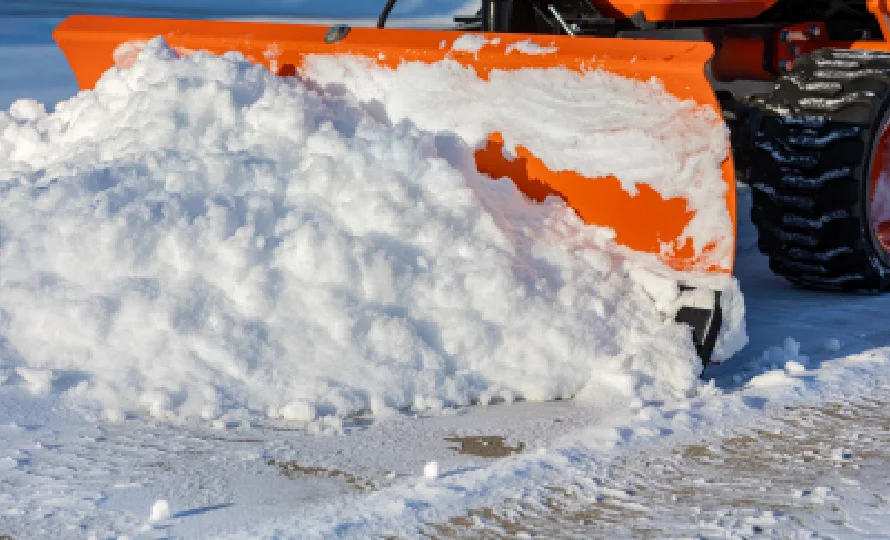
A consistent layer of snow can insulate dormant grass from extreme temperature swings. The greater risks often come from heavy snow piles, poor drainage, compacted areas, or wet leaves trapped beneath the snow.
Problems can also develop when snow repeatedly melts and refreezes. These conditions may leave parts of the lawn saturated or covered by ice, which can limit airflow and delay recovery.
Homeowners should avoid spreading excessive deicing salt onto nearby turf. When spring arrives, affected areas may need watering, soil improvement, aeration, or overseeding depending on the severity of the damage.
Lawn Equipment Needs Winter Care Too
Your mower and other lawn tools need attention before they sit unused for several months. Neglected fuel, grass buildup, and dull blades can cause equipment problems or lead to poor mowing results in spring.
A basic end-of-season maintenance routine should include:
- Remove grass and debris from the mower deck.
- Follow the manufacturer’s instructions for fuel storage or stabilizer.
- Sharpen or replace dull mower blades.
- Inspect the spark plug, air filter, and oil.
- Store equipment in a clean, dry location.
Sharp blades matter because they cut grass cleanly instead of tearing it. A clean cut reduces stress and helps the lawn maintain a healthier appearance when regular mowing resumes.
Professional Lawn Care Takes the Guesswork Out of Seasonal Timing
At Grow Pros Lawn Care, we help homeowners prepare their turf for changing Northern Indiana conditions with structured lawn care services. We begin with a lawn evaluation and create a customized treatment program based on the property’s needs.
Our services include scheduled fertilization and weed control, aeration and overseeding, grub control, targeted treatments for problem areas, and ongoing seasonal adjustments. We focus on strengthening the lawn over time so it can handle winter stress and return healthier in spring.
Prepare Your Lawn Now for a Healthier Spring
The best time to prevent winter lawn damage is before snow covers the property. Professional lawn care can strengthen the roots, correct seasonal problems, and reduce the guesswork involved in fall preparation. Investing in a consistent treatment plan can also help your grass recover more evenly when warmer weather returns. Contact us today to prepare your Northern Indiana lawn for winter and the growing season ahead.